
Introduction: The Power of Subtraction
In the autumn of 1995, Steve Jobs returned to Apple and did something counterintuitive: he killed 70% of Apple’s products. Not because they were bad, but because they distracted from what mattered. This is the central paradox of value creation—the power lies not in what you do, but in what you refuse to do.
Warren Buffett keeps a list of companies he’s studied and rejected. Charlie Munger famously said his success came from “knowing the edge of my circle of competence.” Peter Lynch turned down hundreds of stocks for every one he bought. These aren’t stories about missing opportunities; they’re stories about the disciplined pursuit of only the best opportunities.
Sometimes, the companies we look at are perfectly fine companies at the wrong time or wrong price. A few are fascinating turnarounds that need more time. But all of them failed to answer three brutally simple questions satisfactorily:
1. How many birds are in the bush? (What’s the magnitude of return if the thesis works?)
2. How sure are you? (What’s the probability the thesis actualizes?)
3. How fast till you get them out? (What’s the realistic time horizon?)
For a LEAPs strategy—buying long-dated call options 12-24 months out—I need high conviction on all three. If any answer is unsatisfactory, the idea gets rejected. Period.
What follows is a detailed forensic examination of each rejection, complete with financial analysis, probability assessments, and the specific mechanical failures that killed each thesis. Think of it as a masterclass in what Charlie Munger calls “the psychology of misjudgment”—except here, we catch ourselves before the mistake.
Let’s begin.
ORIS: The Tea Company With Nasdaq Compliance Theater
Date Analyzed: October 6, 2025
Current Price: ~$0.18 | Market Cap: ~$6.6M
The Chinese Tea Company Nobody Asked For

Oriental Rise Holdings sells tea products in China through two townships: Zhaizhong and Huangbai. That’s it. That’s the entire supply chain—two townships in one country.
If this sounds like a recipe for disaster, you’re paying attention.
The Numbers That Lied
Balance Sheet (surface level):
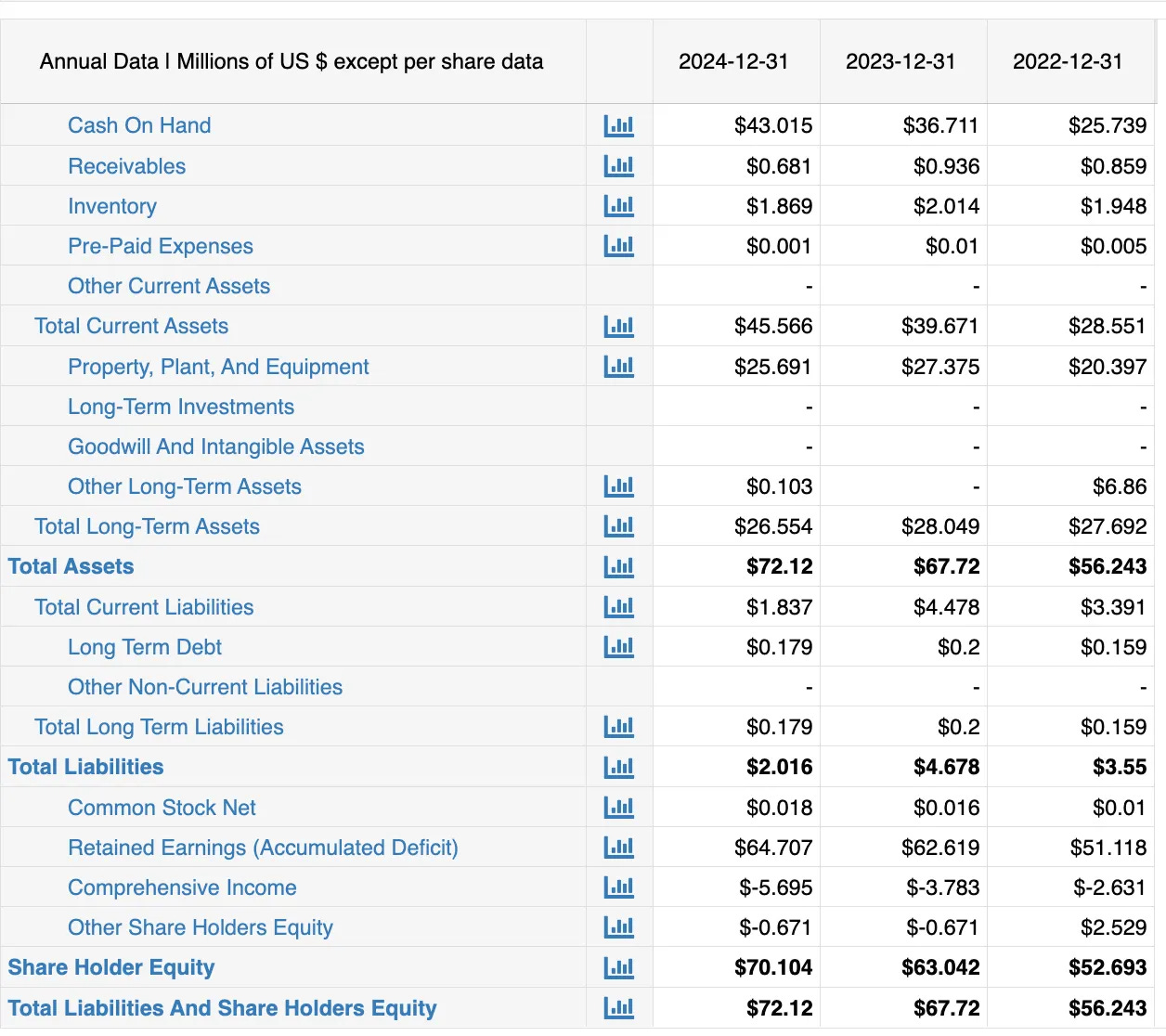
Cash: $43 million
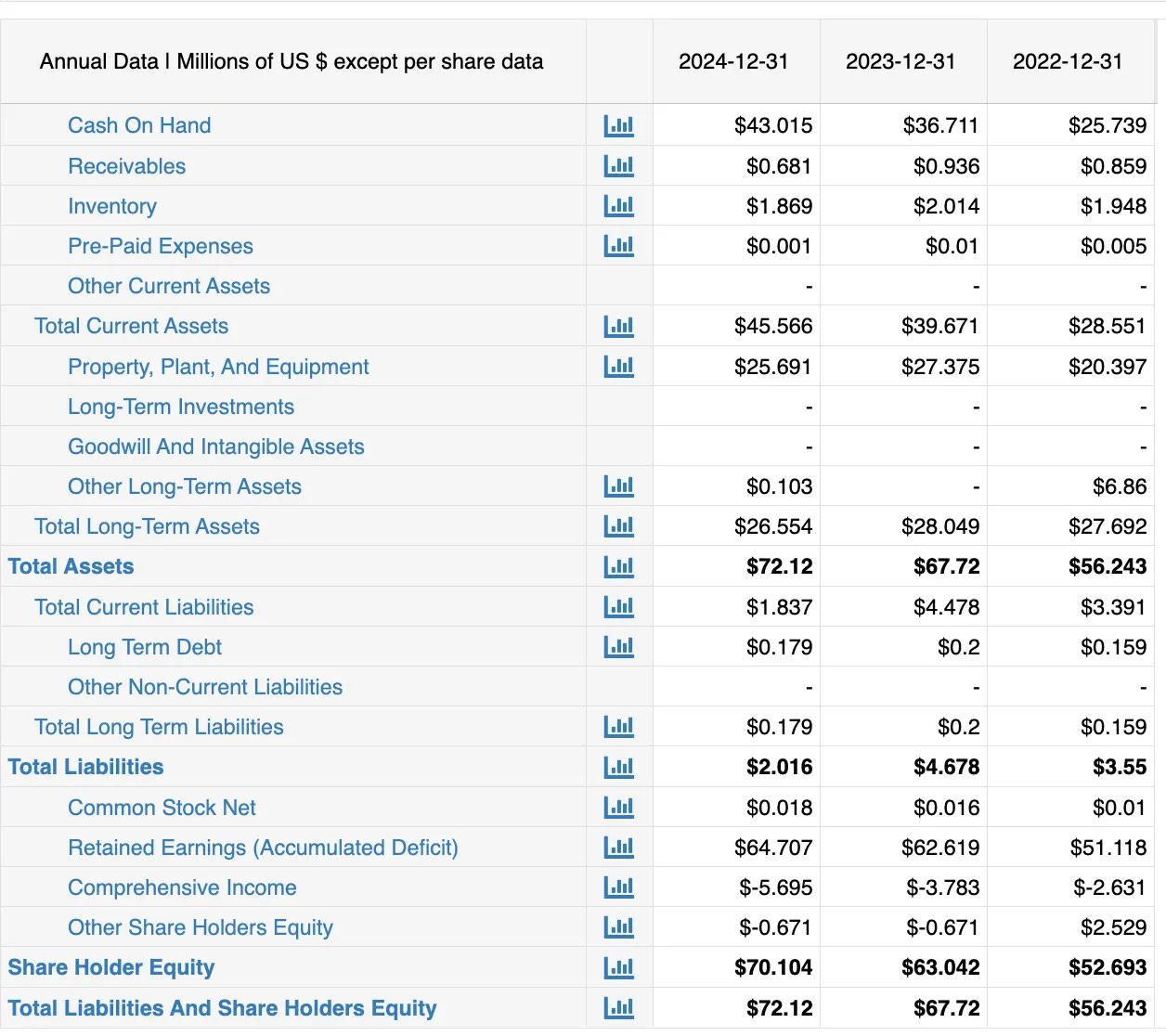
Total liabilities: $2 million
Net liquidation value: $41 million
Current market cap: $6.6 million
Implied return: 6.2x
Fantastic! Except...
The Dilution Minefield

Current shares outstanding: 22.01 million (pre-dilution)
The First Offering:
Units offered: 14.8 million
Price per unit: $0.4681
Each unit contains:
1 ordinary share
1 warrant to purchase 1 ordinary share at $0.4681
OR holders could choose “zero cash exercise option” and receive up to 2 ordinary shares for free.
Translation: They’re issuing 14.8M shares and potentially another 14.8-29.6M shares from warrants.
New share count: 22.01M + 14.8M + 22.2M (midpoint of warrant conversion) = 59.01M shares
That’s 168% dilution.
Post-dilution valuation:
Net cash after offering: $41M + $6.9M (from offering) = $47.9M
Shares outstanding: 59.01M
Value per share: $0.81
Current price: $0.18
So the “6x upside” becomes a 4.5x upside after accounting for dilution. Still interesting!
But wait, there’s more...
The Nasdaq Compliance Problem
The company needs to maintain a minimum $1.00 bid price to remain listed on Nasdaq. Compliance deadline: December 2025.
Current price: $0.18
Their solution? A 1-for-10 reverse split.
Post-reverse-split:
59.01M shares ÷ 10 = 5.9M shares
Price: $0.18 × 10 = $1.80
Market cap: Same (~$10.6M)
Reverse splits are corporate distress signals. They’re executed when:
Stock price is too low for Nasdaq compliance
Management wants to “reset” the price psychologically
Another dilutive offering is coming (higher nominal price allows more shares to be issued)
The Revenue Collapse Mystery
Revenue by Year:
2022: Normal
2023: Normal
2024: Dropped dramatically
Selling & Distribution Costs:
2022: $70,000
2023: $73,000
2024: $438,000 (6x increase!)
So revenue fell off a cliff while selling costs exploded 6x. Management provides no explanation in the annual report.
My Analysis Notes: “Did not bother to further read—there are too many uncertainties and risk that I do not see worth it for the opportunity at hand.”
That’s the investor equivalent of a doctor saying “I’ve seen enough.”
The VIE Structure Triple Threat
Like WIMI and CHR, Oriental Rise operates through a Variable Interest Entity (VIE) structure. The $43 million in cash sits in Chinese operating entities that foreign shareholders don’t legally own.
Added Complexity: “The main business operation vehicle is also indirectly owned by the NASDAQ listed co. Therefore, there is a lot of uncertainty in capital structure, profits, and voting rights as well—and institutions will avoid.”
Translation: The corporate structure is so convoluted that institutional investors can’t get comfortable. That means:
No institutional buying pressure
Poor liquidity
Higher volatility
Limited research coverage
The “Acquisition” Smoke and Mirrors
In my notes, I found this gem:
“The company has signed a non-binding agreement to potentially acquire 2 prominent tea distributors (for vertical integration).”
Red flags in that sentence:
“Non-binding” = not real
“Potentially” = might not happen
“Prominent tea distributors” = unnamed, unverified
This is the classic micro-cap playbook:
Stock price falling
Issue press release about “potential acquisition”
Stock pops 20-30% on no news
Insiders sell into the pop
Acquisition never materializes
Retail shareholders left holding the bag
The Founder Ownership Concentration
Founders: Mr. Chun Sun Wong and Mr. Wai Kwong Fong
Ownership: 11.4 million shares = 30.97% (post-offering)
Almost 31% ownership sounds great for alignment... until you realize:
They’re not buying more shares
They’re diluting themselves alongside you
The company still needs capital, so more dilution is coming
If founders aren’t injecting their own capital to avoid dilution, that tells you everything about their confidence.
The Seasonal Business Risk
From the annual report:
“Generally, the highest sales of products is after the commencement of tea harvest seasons, namely for the period from March to October.”
So 7-8 months of revenue, 12 months of expenses. This creates:
Cash flow volatility
Working capital pressure
Need for additional financing during off-season
The Two-Township Supply Chain
The company is “fully dependent” on two townships for supply:
Zhaizhong township
Huangbai township
What if:
Drought hits these regions?
Local government restricts exports?
Competing buyer outbids ORIS?
Labor disputes?
Any single-point-of-failure in the supply chain destroys the business.
The Intrinsic Value Questions
Question 1: How can they show earnings will increase?
Answer: Unknown—no visibility
Question 2: Why did revenue drop dramatically in 2024?
Answer: Not disclosed
Question 3: Why did selling costs increase 6x?
Answer: Not disclosed
Question 4: Will the “non-binding” acquisition happen?
Answer: Probably not
Question 5: Can they regain Nasdaq compliance without reverse split?
Answer: No—stock trading at $0.18
Birds in the Bush: 5x (pre-dilution fantasy number)
Probability of Success: 10%—too many unknowns
Time Horizon: Unknown
The Lesson: When They Won’t Tell You, Walk Away
Corporate disclosures exist for a reason. When management doesn’t explain:
Why revenue collapsed
Why costs exploded
What the acquisition strategy is
How they’ll resolve supply chain concentration
You’re not investing—you’re speculating on a black box.
The Buffett Standard:
Imagine you’re buying the entire company for cash and operating it yourself. Would you feel comfortable with:
Revenue source you don’t understand?
Cost structure that changed mysteriously?
Supply chain in two townships?
VIE structure where you don’t own the assets?
If the answer is “no” to any of these, you shouldn’t buy a single share.
Verdict: Hard rejection. The “value” is a mirage created by opaque financials, misleading press releases, and predatory dilution structures. This is a stock-promotion scheme, not an investment opportunity.
Learnings To Stick To
1. Dilution is Value Destruction
It doesn’t matter if a company has $200 million in cash if they’re issuing $300 million in equity at pennies on the dollar. Per-share value is what matters, not absolute value.
2. Debt is Fragility
Interest coverage below 3x means one bad year could trigger covenant breaches. Below 2x is playing with fire. Below 1.5x is suicidal.
3. Insiders Always Know First
When CEOs, CFOs, and directors sell 60-80% of vested RSUs immediately, they’re voting with their wallets. Listen.
4. Business Models Matter More Than Operations
You can’t cost-cut your way to success if the fundamental value proposition is obsolete.
5. Timing Is Everything (For Options)
e.g. MDU Resources and Krispy Kreme might be great investments... in 2027. But for LEAPs expiring in 2026, the timeline doesn’t work.
6. Regulatory Red Flags Are Never False Alarms
When annual reports are encrypted, when revenue collapses without explanation, when short sellers publish specific fraud allegations—walk away. The risk isn’t worth the reward.
7. Pandemic Winners Are Usually Losers
Mean reversion is brutal. Companies that benefited from temporary behavioral shifts rarely maintain those gains.
The Philosophy of “No”
Charlie Munger said: “The art of being wise is the art of knowing what to overlook.”
In investing, success comes from:
Saying yes to the right opportunities (important)
Saying no to the wrong opportunities (more important)
Saying no to marginal opportunities (most important)
This article is about #3. None of these companies were obviously terrible (well, maybe CHR and WIMI). Most had legitimate businesses, real assets, and plausible turnaround stories.
But “plausible” isn’t “probable.”
And “interesting” isn’t “investable.”
The Buffett-Munger Standard
Before investing, ask:
Do I understand this business? (Circle of competence)
Does it have a sustainable competitive advantage (Moat)/ does it have a legitimate working business model (for LEAPs)?
Is management trustworthy and aligned? (Stewardship)
Is the price attractive relative to intrinsic value? (Margin of safety)
What could go wrong? (Risk analysis)
For LEAPs specifically, add: 6. Will value be realized in 12-24 months? (Timing) 7. Is the expected return 2x+ to compensate for time decay? (Return threshold)
If the answer to ANY of these is “no” or “uncertain,” walk away.
The Opportunity Cost Mindset
Every dollar invested in these marginal opportunities is a dollar not available for exceptional opportunities.
Your capital is finite. Your attention is finite. Your time is finite.
Protect all three zealously.
When I reject companies, I’m not losing opportunities—I was preserving capital and attention for better opportunities yet to come.
In investing, a 0% success rate at finding investments can be a 100% success rate at avoiding disasters.