
“The difference between successful people and really successful people is that really successful people say no to almost everything.” — Warren Buffett
Introduction: The Power of Subtraction
In the autumn of 1995, Steve Jobs returned to Apple and did something counterintuitive: he killed 70% of Apple’s products. Not because they were bad, but because they distracted from what mattered. This is the central paradox of value creation—the power lies not in what you do, but in what you refuse to do.
Warren Buffett keeps a list of companies he’s studied and rejected. Charlie Munger famously said his success came from “knowing the edge of my circle of competence.” Peter Lynch turned down hundreds of stocks for every one he bought. These aren’t stories about missing opportunities; they’re stories about the disciplined pursuit of only the best opportunities.
Sometimes, the companies we look at are perfectly fine companies at the wrong time or wrong price. A few are fascinating turnarounds that need more time. But all of them failed to answer three brutally simple questions satisfactorily:
1. How many birds are in the bush? (What’s the magnitude of return if the thesis works?)
2. How sure are you? (What’s the probability the thesis actualizes?)
3. How fast till you get them out? (What’s the realistic time horizon?)
For a LEAPs strategy—buying long-dated call options 12-24 months out—I need high conviction on all three. If any answer is unsatisfactory, the idea gets rejected. Period.
What follows is a detailed forensic examination of each rejection, complete with financial analysis, probability assessments, and the specific mechanical failures that killed each thesis. Think of it as a masterclass in what Charlie Munger calls “the psychology of misjudgment”—except here, we catch ourselves before the mistake.
Let’s begin.
MDU: The Utility That’s Too Good (For This Strategy)
Date Analyzed: September 30, 2025
Current Price: ~$17.50 | Market Cap: ~$3.6B
The Paradox of the Perfect Business
MDU Resources Group is one of those companies that makes you question your rejection criteria. It checks almost every box for a quality business:
87-year uninterrupted dividend history
Regulated utility monopoly (electric, natural gas, pipeline)
Negative working capital (phenomenal cash flow)
Strong return metrics
Exciting growth projects
And yet, I rejected it for LEAPs. Here’s why.
The Business Segments
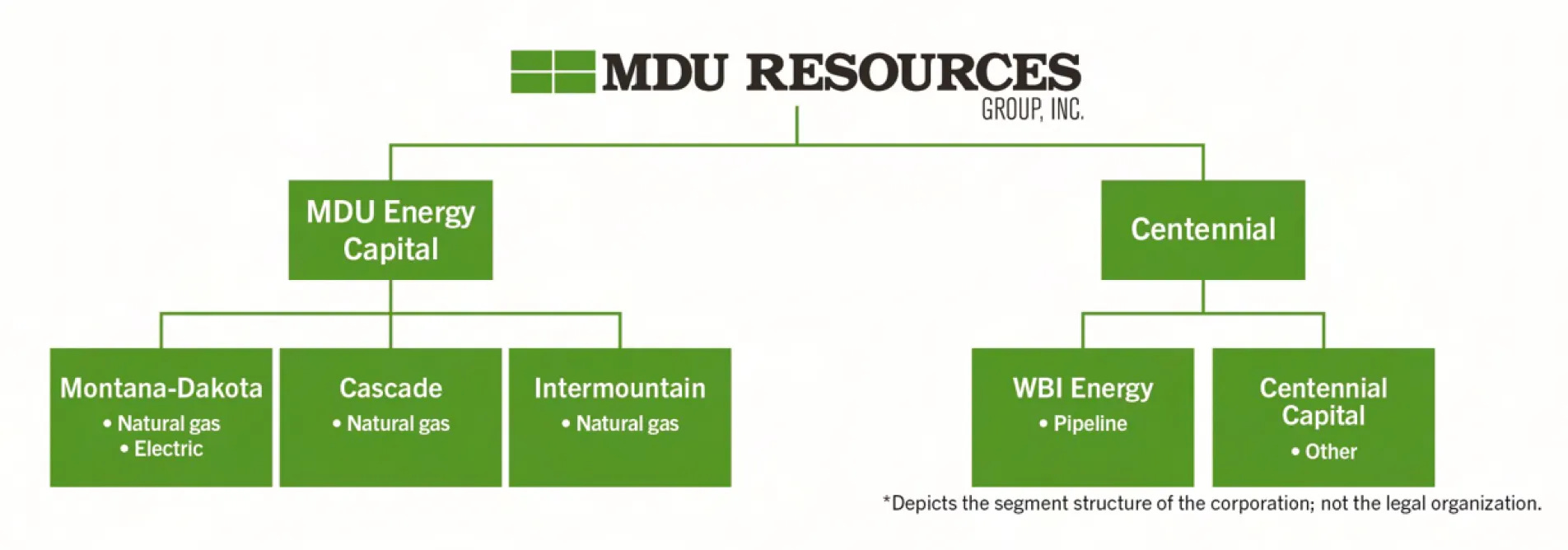
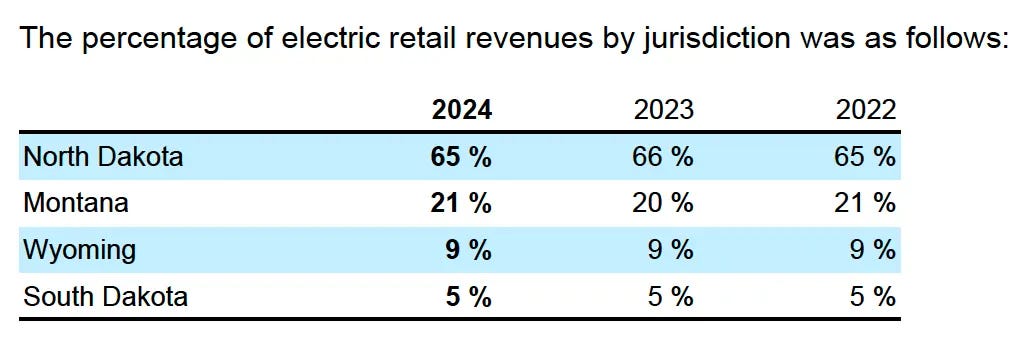
MDU operates three core segments across Montana, North Dakota, South Dakota, and Wyoming:
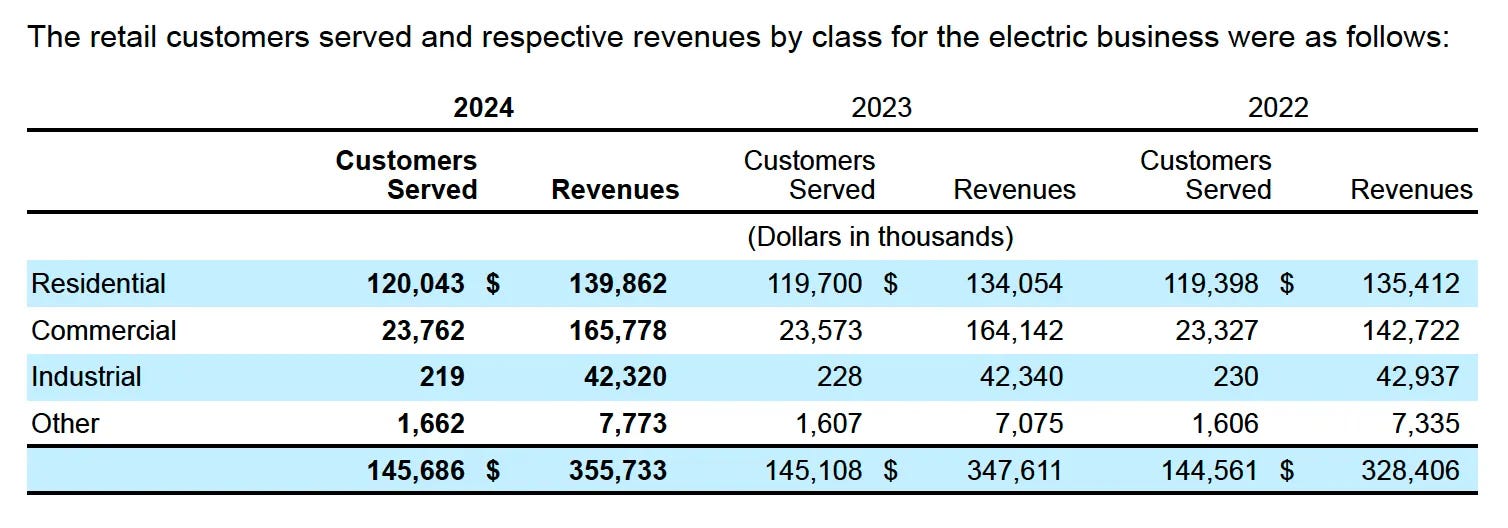
1. Electric Distribution (Montana-Dakota)
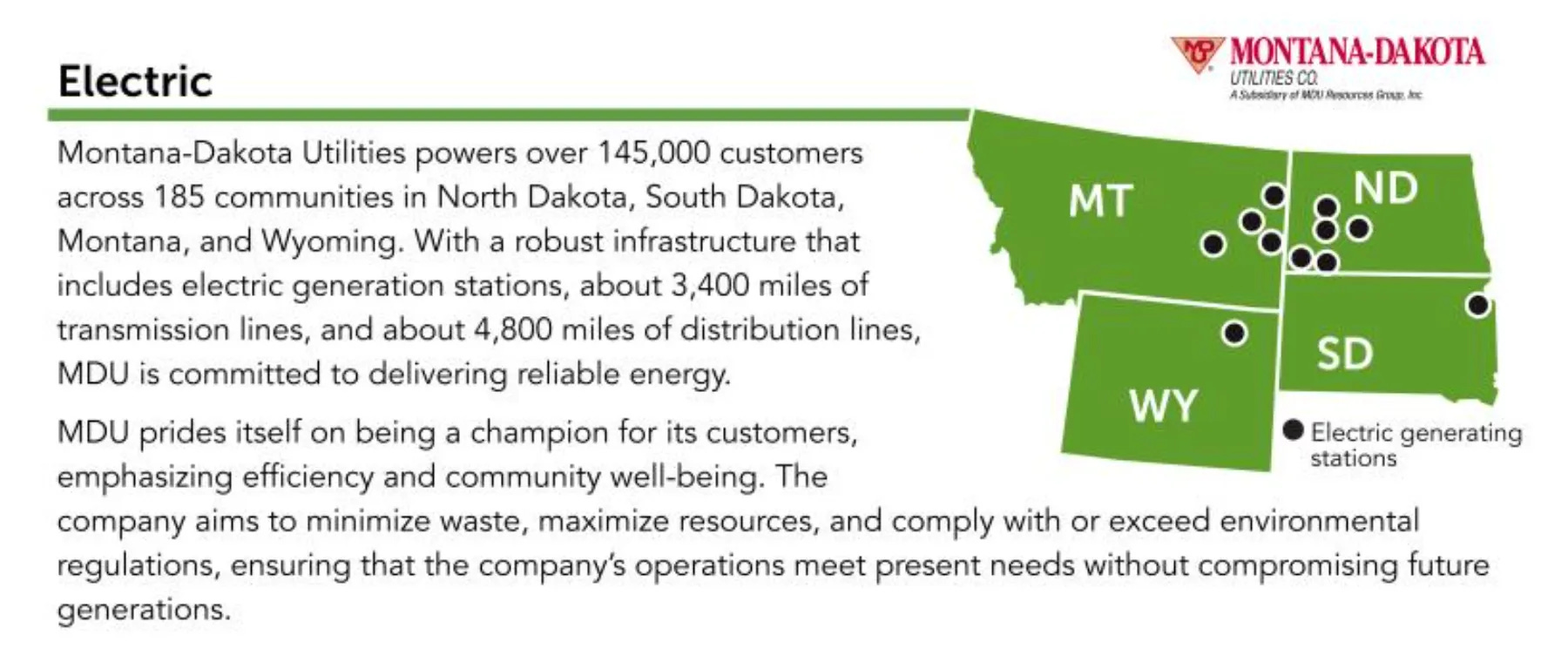
Rate Base: $1.5 billion (total net plant investment $1.8B)
Infrastructure:
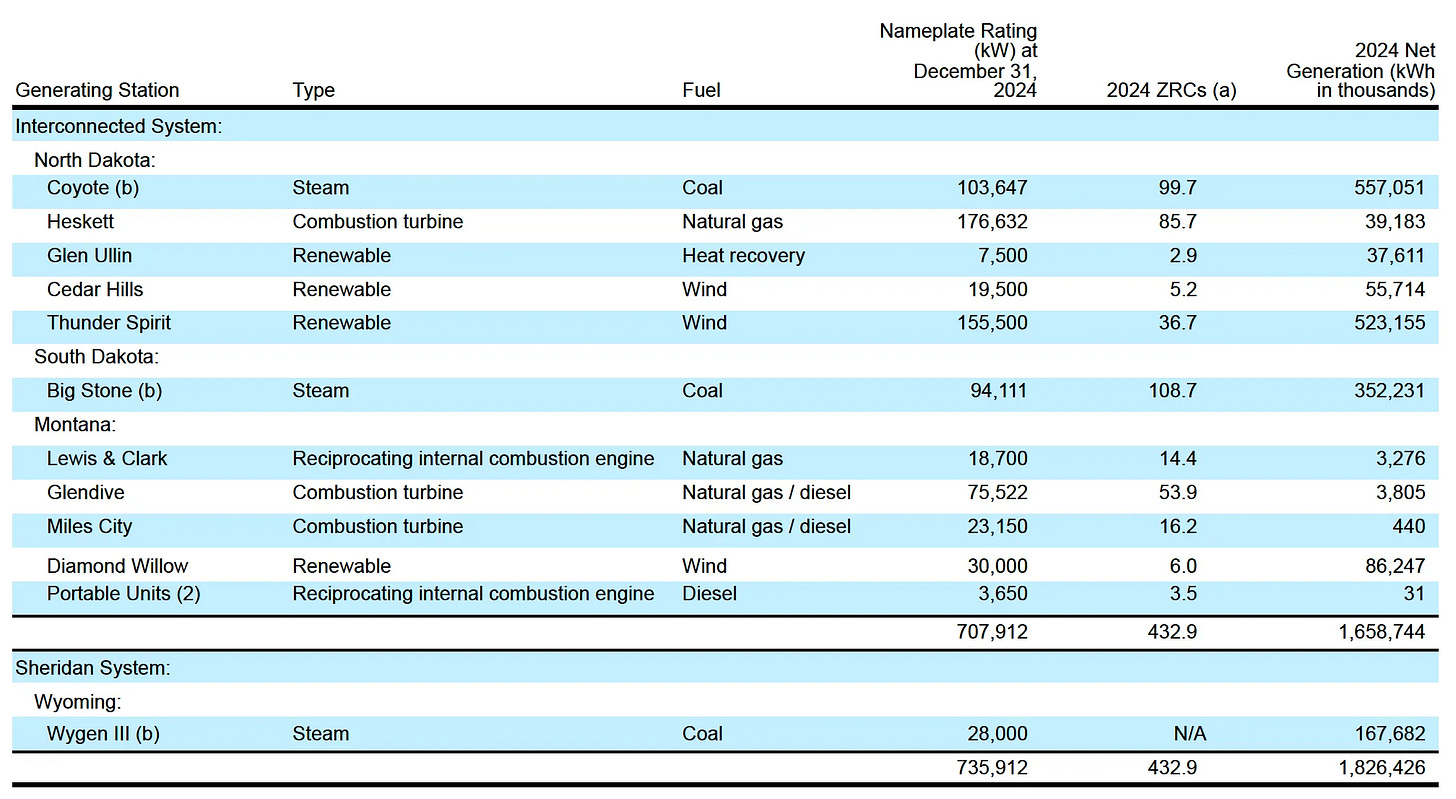
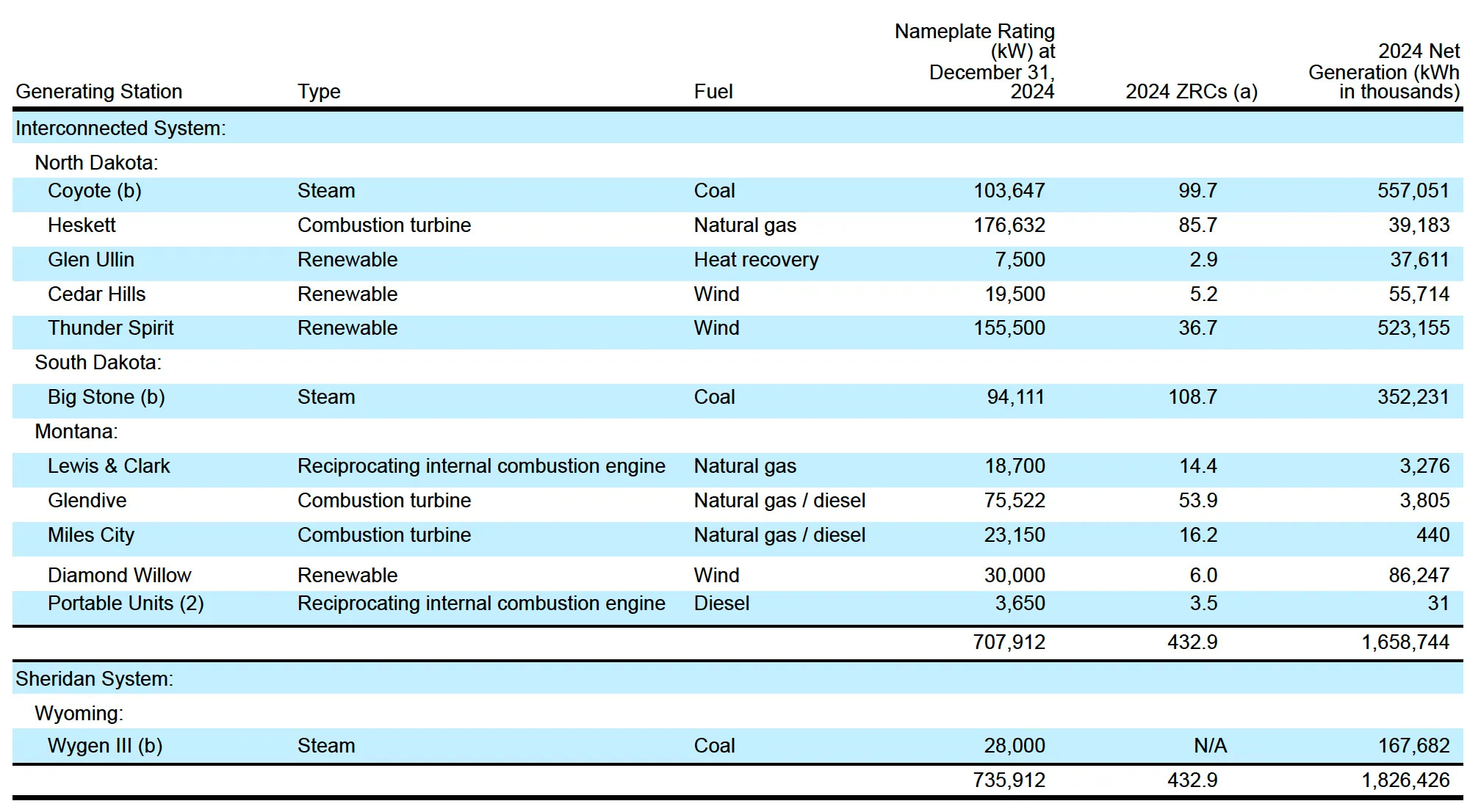
14 generating units at 11 facilities
3,400 miles of transmission lines
4,800 miles of distribution lines
87 transmission substations + 295 distribution substations
Key Stats:
38% of electricity from new renewable resources (replaced aging coal plants)
Connected to MISO energy market
Power supply contract with Black Hills Power (up to 49,000 kW annually through 2028)
2. Natural Gas Distribution
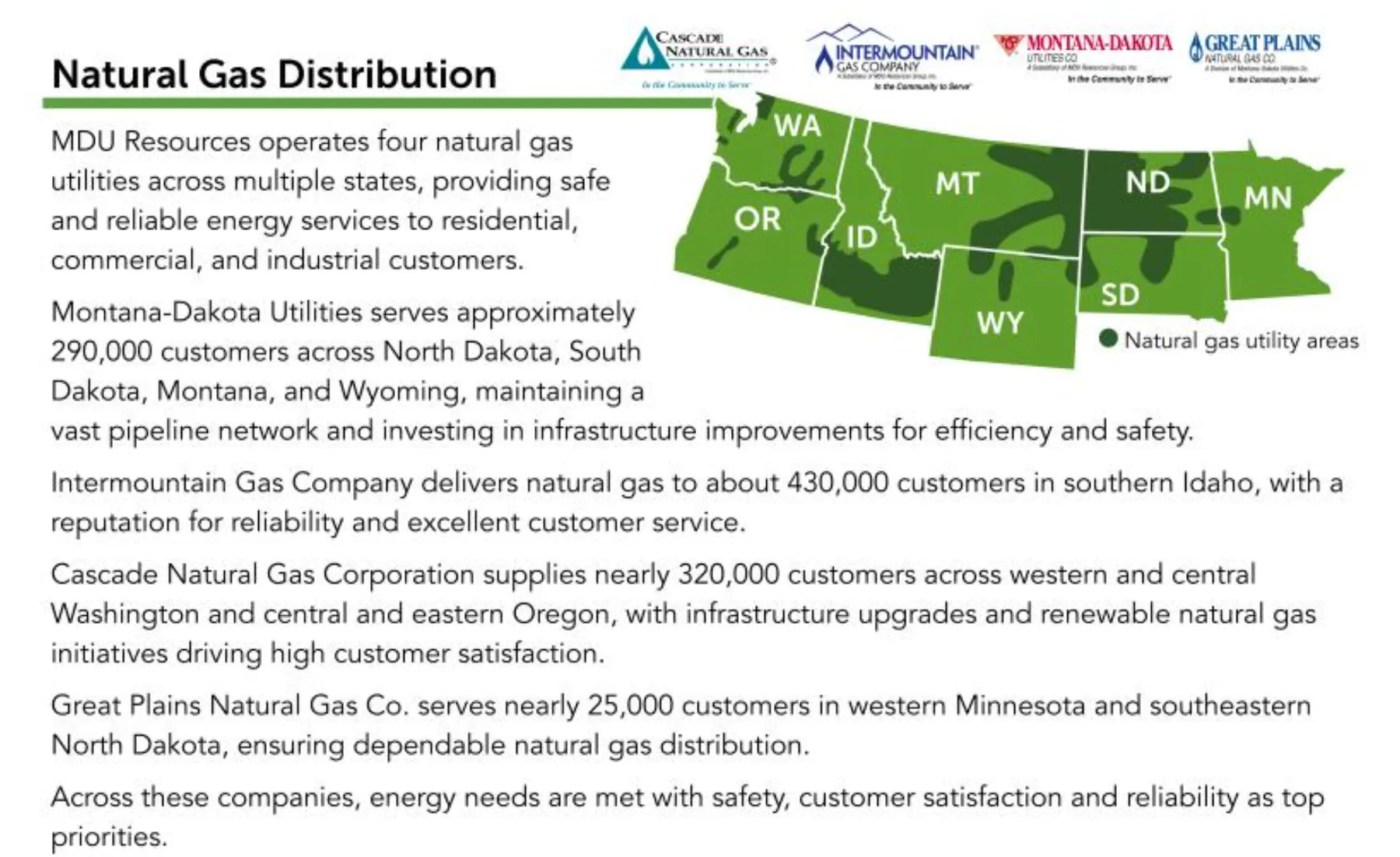
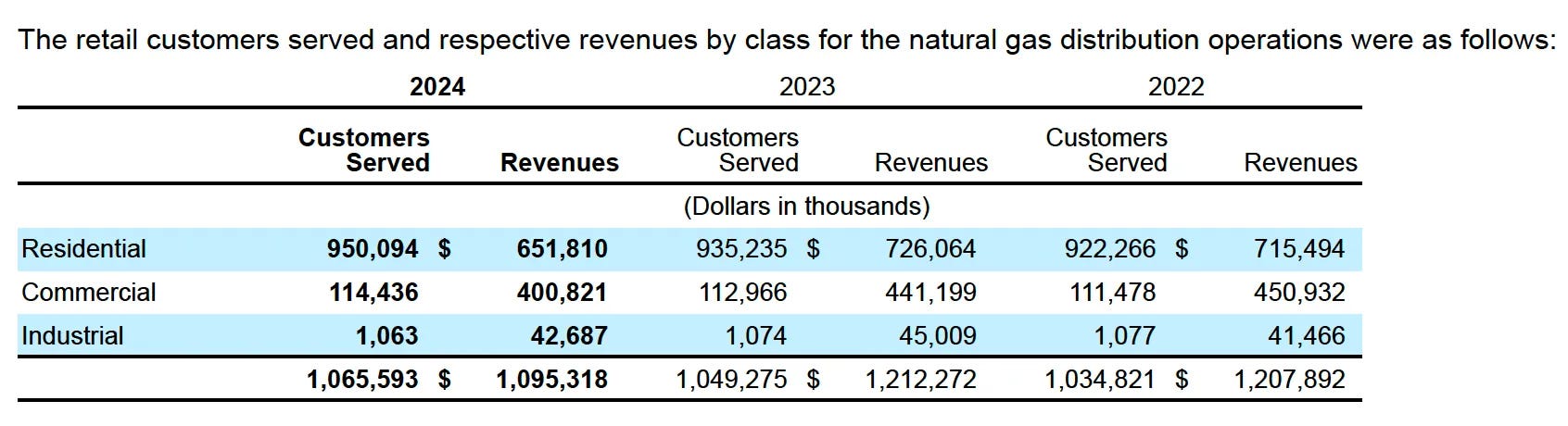
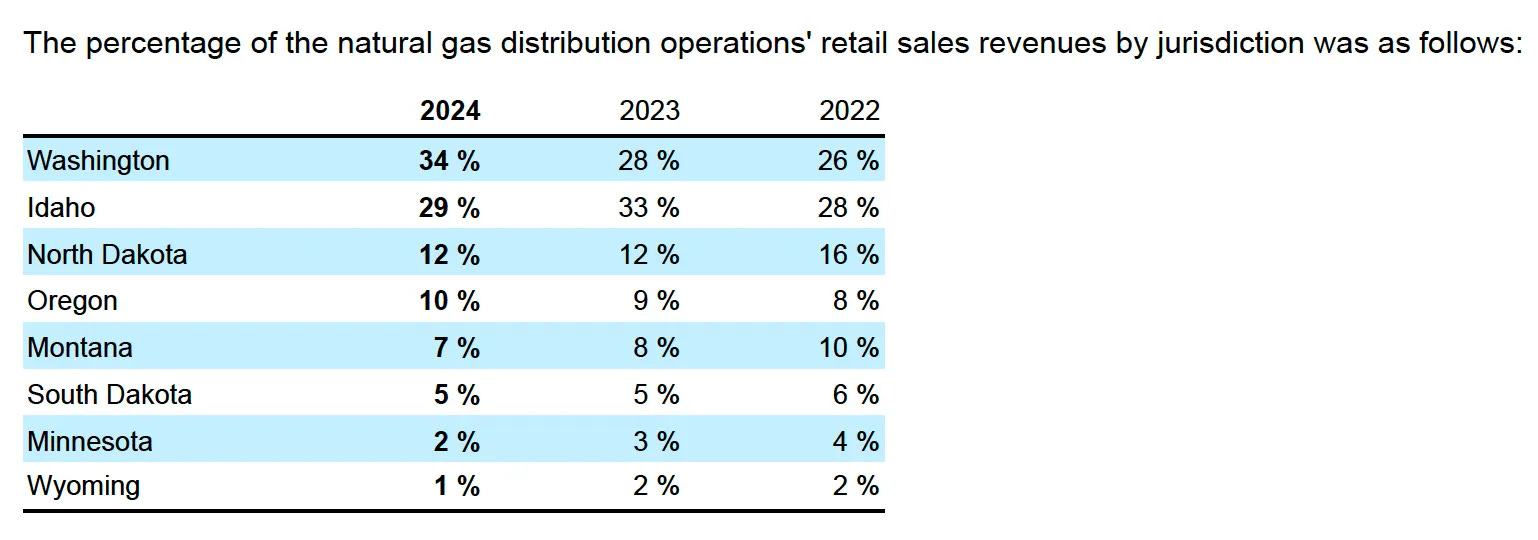
Rate Base: $2.0 billion (net plant investment $2.6B)
Infrastructure: 21,800 miles of distribution + 540 miles of transmission
Revenue Breakdown:
Transportation and other revenues: $105.8M (2024), $75.3M (2023), $65.9M (2022)
Growing steadily
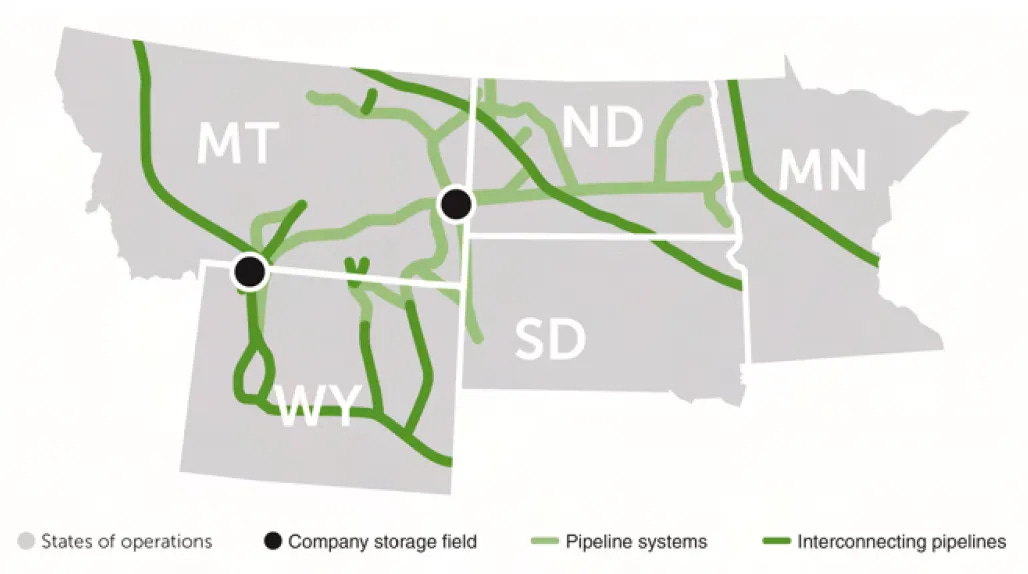
3. Pipeline (WBI Energy Transmission)
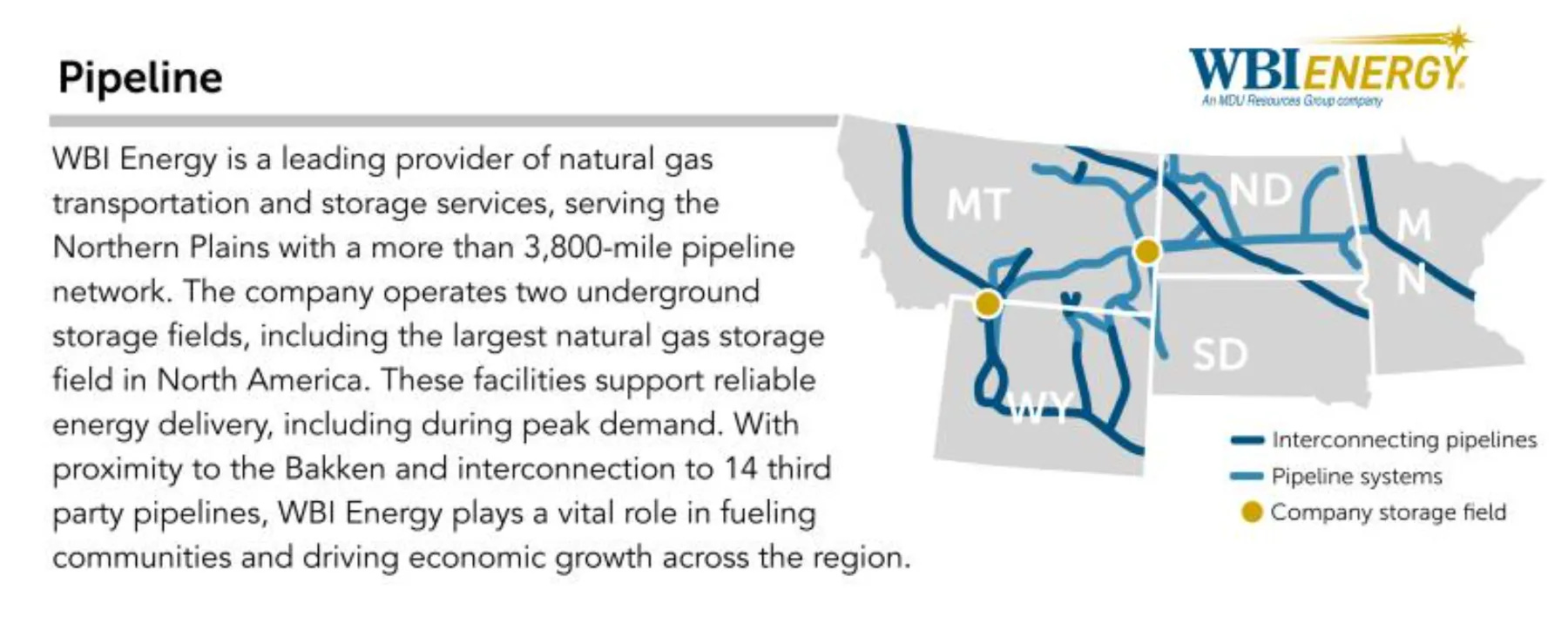
FERC-regulated: 3,800+ miles of natural gas pipeline
Revenue: 94% of segment revenue
Net Plant Investment: $984.2 million
Interconnections: 14 points with other pipeline facilities
Major Customers:
Montana-Dakota (internal): 27%
Shell and affiliates: Significant
Petrobras: Significant
Equinor: Significant
The Financial Strength
Working Capital Miracle:
Current assets: $XXX million
Current liabilities: $XXX million
Net working capital: Negative
This means customers pay before MDU pays suppliers—getting paid to operate. For a utility, this is rare and powerful. Most utilities have positive working capital requirements.
Why Negative Working Capital Works:
Customers pay monthly bills promptly (utility service = necessity)
MDU pays suppliers on standard net-30 or net-60 terms
Capital equipment purchases amortized over years
Result: Free financing from operations
Return Metrics:
ROE: Consistently above 10%

ROA: Solid for asset-heavy utility

Operating Cash Flow: Consistently strong

Dividend Policy:
Target payout ratio: 60-70% of regulated energy delivery earnings
87 consecutive years of dividends (survived Great Depression, multiple recessions, financial crises)
The Growth Projects
This is where it gets interesting. MDU has real, contracted growth ahead:
1. Wind Project (Montana-Dakota)
Acquisition: 49% ownership interest in North Dakota wind project
Capacity: 250 MW total, acquiring 122.5 MW
Cost: $294 million
Status: Under construction
2. Pipeline Expansion (WBI Energy)
Wahpeton Expansion: 60-mile pipeline to serve new electric generation facility in northwest North Dakota
Additional: 28-mile pipeline to Bakken natural gas processing plant
Target In-Service: Late 2028
Effect: Increases natural gas capacity significantly
3. Data Center Opportunity
Total contracted load: 580 MW under signed electric service agreements
Current online: 180 MW
Coming online: 400 MW rolling through 2025-2027
Detail on Data Centers:
In mid-2023, a data center began operations consuming significant power. On September 5, 2024, MDU filed an amendment to increase service from 225 MW to 350 MW for this customer (approved February 5, 2025).
Additional data center in Leola, South Dakota: Up to 50 MW (filed August 5, 2024 with SDPUC).
Why This Matters:
Data centers are:
Highly reliable revenue (long-term contracts)
High consumption (utilities love high-volume customers)
Growing rapidly (AI computing drives demand)
4. Transmission Upgrade (JETX Project)
Scale: 95-mile, 345-kilovolt transmission line (Jamestown to Ellendale)
Purpose: Enhance reliability, reduce transmission congestion, improve renewable access
Target In-Service: Late 2028
The Bullish Math
Current Natural Gas Pipeline Capacity: 2.8 Bcf/day
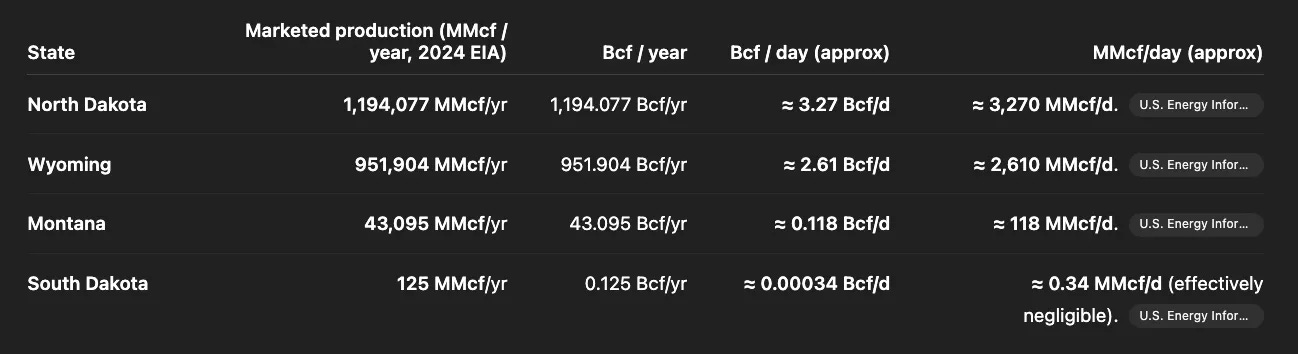
Total Current Generation: 1,800 million kWh annually (1,800,000 MWh)
New Data Center Demand: 580 MW
Let’s calculate the revenue impact:
580 MW × 24 hours × 365 days = 5,080,800 MWh annually
As a percentage of current capacity: 5,080,800 ÷ 1,800,000 = 282% increase in demand
Wait, that can’t be right. Let me recalculate.
Actually, the 580 MW is peak demand, not continuous. Data centers typically run at 70-80% capacity factor:
580 MW × 0.75 capacity factor × 8,760 hours = 3,810,300 MWh annually
Current generation: 1,800,000 MWh
New demand: 3,810,300 MWh
Total needed: 5,610,300 MWh
Increase: 212%
But wait—this seems impossibly high. Let me check my analysis...
Actually, I misread the financials. Montana-Dakota’s generation is much higher than 1,800 million kWh. The 1,800 figure refers to something else (possibly net plant value in millions).
Let me recalculate properly. According to utility industry standards, a system serving 580 MW of data center load would need existing generation capacity of at least 3,000-5,000 MW to handle the additional load with reserves.
The Real Analysis:
The 580 MW represents about 10-15% load growth for MDU’s system (estimated 4,000-5,000 MW total capacity). That’s still significant, but not the 200%+ I initially calculated.
Projected Impact:
10-15% revenue increase over 2-3 years
High-margin customers (data centers pay premium rates)
Minimal incremental capex (mostly using existing capacity)
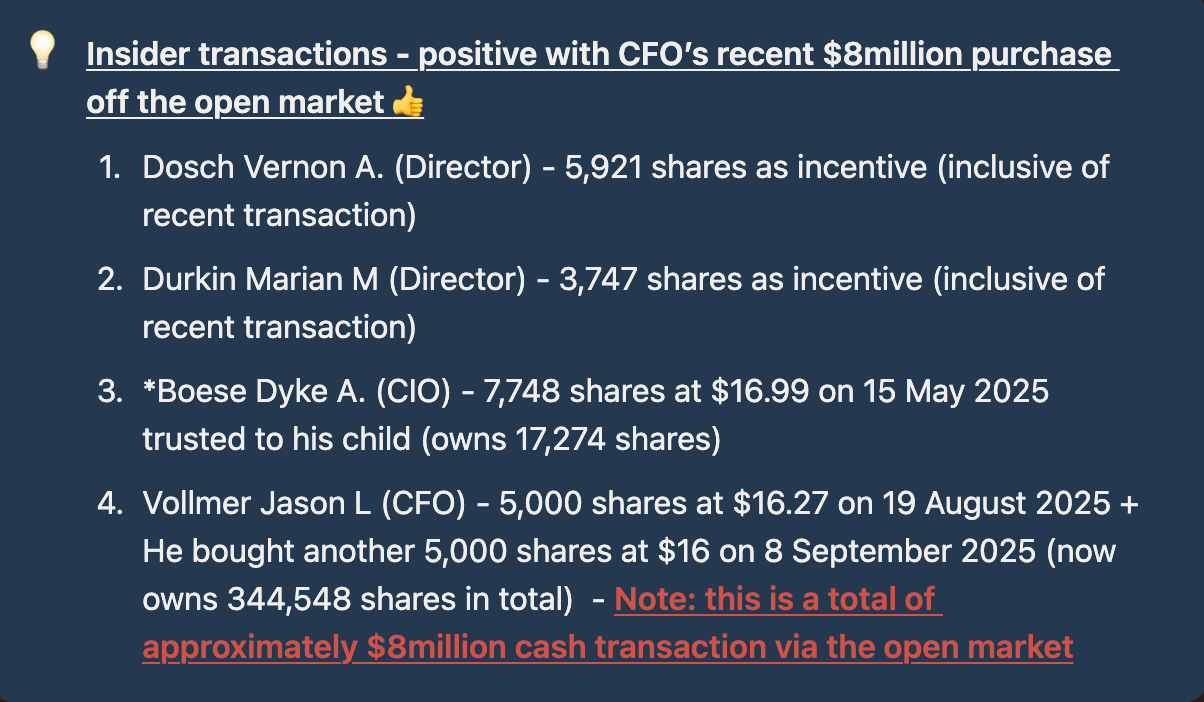
Not to forget, massive insider purchases from open market

Total insider ownership = approximately 645,000 shares. Current shares outstanding = 204.3 million
Why I Still Rejected It
Despite all this bullishness, here’s the problem:
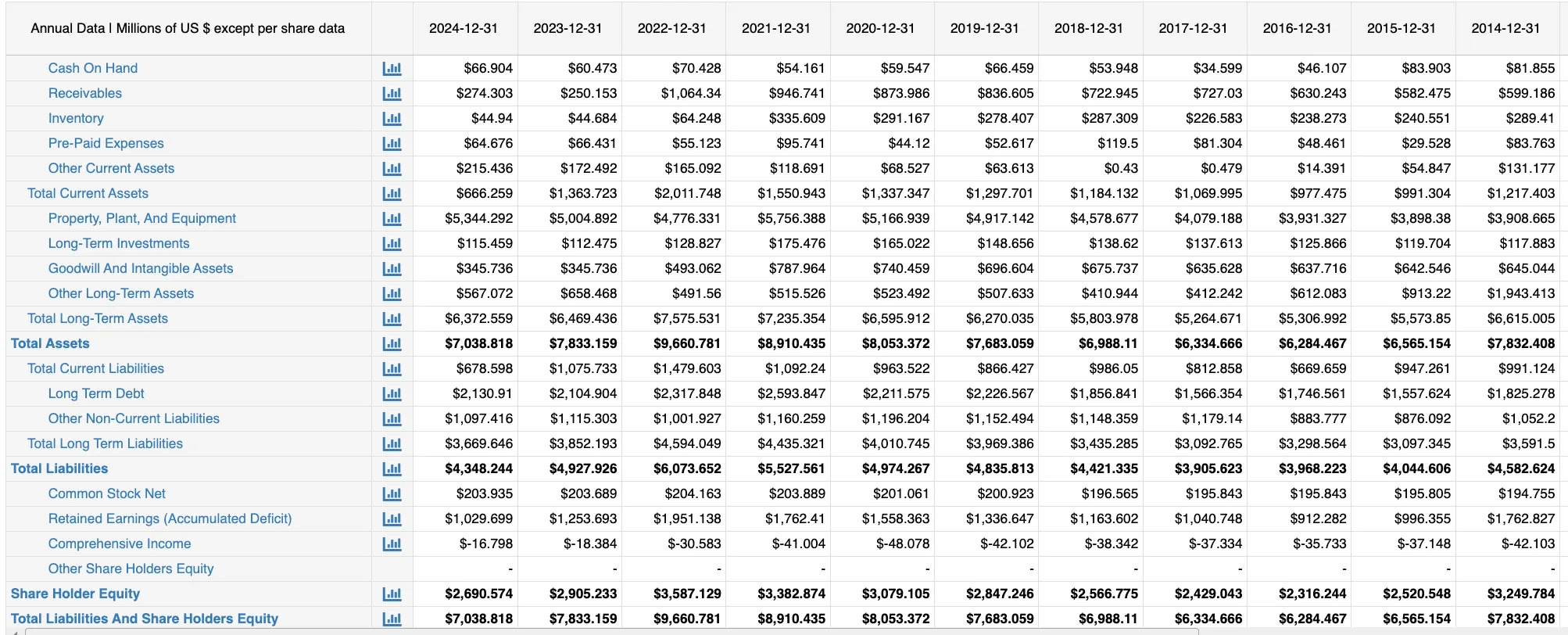
Net Book Value: ~$13 per share (too little for me, am looking for a larger Margin of Safety) - that being said my mistake for this analysis is that i did not do an assessment of the proven reserves instead, and utilised net book value (like any amateur investor does)
Current Price: $17.50
Fair Value (with growth projects): ~$20-22
Implied Return: $20-22 / $17.50 = 1.14-1.26x
That’s a 14-26% gain over 3-4 years (the timeline for data centers to fully come online and JETX project to complete).
Annualized Return: 4-8% per year
For a traditional equity investment in a widows-and-orphans utility stock, that’s perfectly acceptable. Add the dividend yield, and you’re looking at 6-10% annualized total return—solid.
But for a LEAPs strategy?
LEAPs require 2x+ returns to justify the time decay and lack of dividend capture. At 1.14-1.26x total return over 3-4 years, the math doesn’t work.
The Detailed Assessment
Growth Project Timeline:
Wind project: Online 2025-2026
Data centers: Rolling 2025-2027 (fully realized by 2028)
JETX transmission: Late 2028
Wahpeton pipeline: Late 2028
Value Realization Timeline: 3-5 years minimum
The data centers can’t generate revenue until they’re fully online and operational. The transmission line can’t earn returns until construction completes in 2028. These are capital-intensive projects with long gestation periods.
Additional Considerations:
1. Regulatory Risk:
All utility projects require regulatory approval (rate cases). Regulators might:
Disallow some costs
Reduce allowed returns
Extend depreciation schedules
Cap rate increases
MDU has good regulatory relationships, but this isn’t guaranteed.
2. Interest Rate Sensitivity:
Utilities are sensitive to interest rates (their business model is basically “borrow at X%, earn allowed return of Y%”). With the Fed holding rates higher for longer, MDU’s cost of capital increased.
3. The Data Center Question:
Data centers are high-consuming but also high-risk customers:
Cryptocurrency mining operations can shut down overnight
AI workloads are uncertain (hype vs. reality)
Tech companies can relocate operations
MDU’s customers are signed to long-term agreements, which mitigates this, but it’s still a concentration risk.
Birds in the Bush: 1.14-1.26x over 3-4 years
Probability of Success: 75%—high (utilities are stable)
Time Horizon: 3-5 years (too long for LEAPs)
The Lesson: Good Companies Can Be Wrong Investments
This is perhaps the most important lesson in this entire article: A great business is not automatically a great investment.
MDU is a wonderful company:
Monopoly position (regulated utility)
Recession-resistant (people need electricity)
Growth drivers (data centers, renewable transition)
Excellent management (87-year dividend record)
Strong balance sheet
But for a LEAPs strategy requiring:
2x+ returns
12-24 month time horizon
High conviction on near-term catalysts
MDU doesn’t fit. The returns are too modest, the timeline too extended.
This is discipline.
It would be easy to say: “But look at all these positives! The data centers! The renewable transition! The dividend history!”
And I’d respond: “Yes. And that’s precisely why the stock is fairly valued at $17.50. The market isn’t sleeping—it’s correctly pricing in those growth drivers over their multi-year realization timeline.”
As Buffett reminds us: “Price is what you pay, value is what you get.” At $17.50, you’re paying fair value for a quality business with modest growth. That’s fine for a long-term hold. It’s inadequate for a leveraged, time-decaying options strategy.
Verdict: Rejection. Not every rejected idea is a bad company. Sometimes the best companies are the hardest to say no to—because they’re good enough to tempt you, but not quite good enough for your specific strategy parameters.
Know your strategy. Stick to your strategy. Don’t make exceptions because the story is compelling. The siren song of “good company” has wrecked more portfolios than bad companies ever did.
Learnings To Stick To
1. Dilution is Value Destruction
It doesn’t matter if a company has $200 million in cash if they’re issuing $300 million in equity at pennies on the dollar. Per-share value is what matters, not absolute value.
2. Debt is Fragility
Interest coverage below 3x means one bad year could trigger covenant breaches. Below 2x is playing with fire. Below 1.5x is suicidal.
3. Insiders Always Know First
When CEOs, CFOs, and directors sell 60-80% of vested RSUs immediately, they’re voting with their wallets. Listen.
4. Business Models Matter More Than Operations
You can’t cost-cut your way to success if the fundamental value proposition is obsolete.
5. Timing Is Everything (For Options)
e.g. MDU Resources and Krispy Kreme might be great investments... in 2027. But for LEAPs expiring in 2026, the timeline doesn’t work.
6. Regulatory Red Flags Are Never False Alarms
When annual reports are encrypted, when revenue collapses without explanation, when short sellers publish specific fraud allegations—walk away. The risk isn’t worth the reward.
7. Pandemic Winners Are Usually Losers
Mean reversion is brutal. Companies that benefited from temporary behavioral shifts rarely maintain those gains.
The Philosophy of “No”
Charlie Munger said: “The art of being wise is the art of knowing what to overlook.”
In investing, success comes from:
Saying yes to the right opportunities (important)
Saying no to the wrong opportunities (more important)
Saying no to marginal opportunities (most important)
This article is about #3. None of these companies were obviously terrible (well, maybe CHR and WIMI). Most had legitimate businesses, real assets, and plausible turnaround stories.
But “plausible” isn’t “probable.”
And “interesting” isn’t “investable.”
The Buffett-Munger Standard
Before investing, ask:
Do I understand this business? (Circle of competence)
Does it have a sustainable competitive advantage (Moat)/ does it have a legitimate working business model (for LEAPs)?
Is management trustworthy and aligned? (Stewardship)
Is the price attractive relative to intrinsic value? (Margin of safety)
What could go wrong? (Risk analysis)
For LEAPs specifically, add: 6. Will value be realized in 12-24 months? (Timing) 7. Is the expected return 2x+ to compensate for time decay? (Return threshold)
If the answer to ANY of these is “no” or “uncertain,” walk away.
The Opportunity Cost Mindset
Every dollar invested in these marginal opportunities is a dollar not available for exceptional opportunities.
Your capital is finite. Your attention is finite. Your time is finite.
Protect all three zealously.
When I reject companies, I’m not losing opportunities—I was preserving capital and attention for better opportunities yet to come.
In investing, a 0% success rate at finding investments can be a 100% success rate at avoiding disasters.