
Why You Need a Lead Magnet
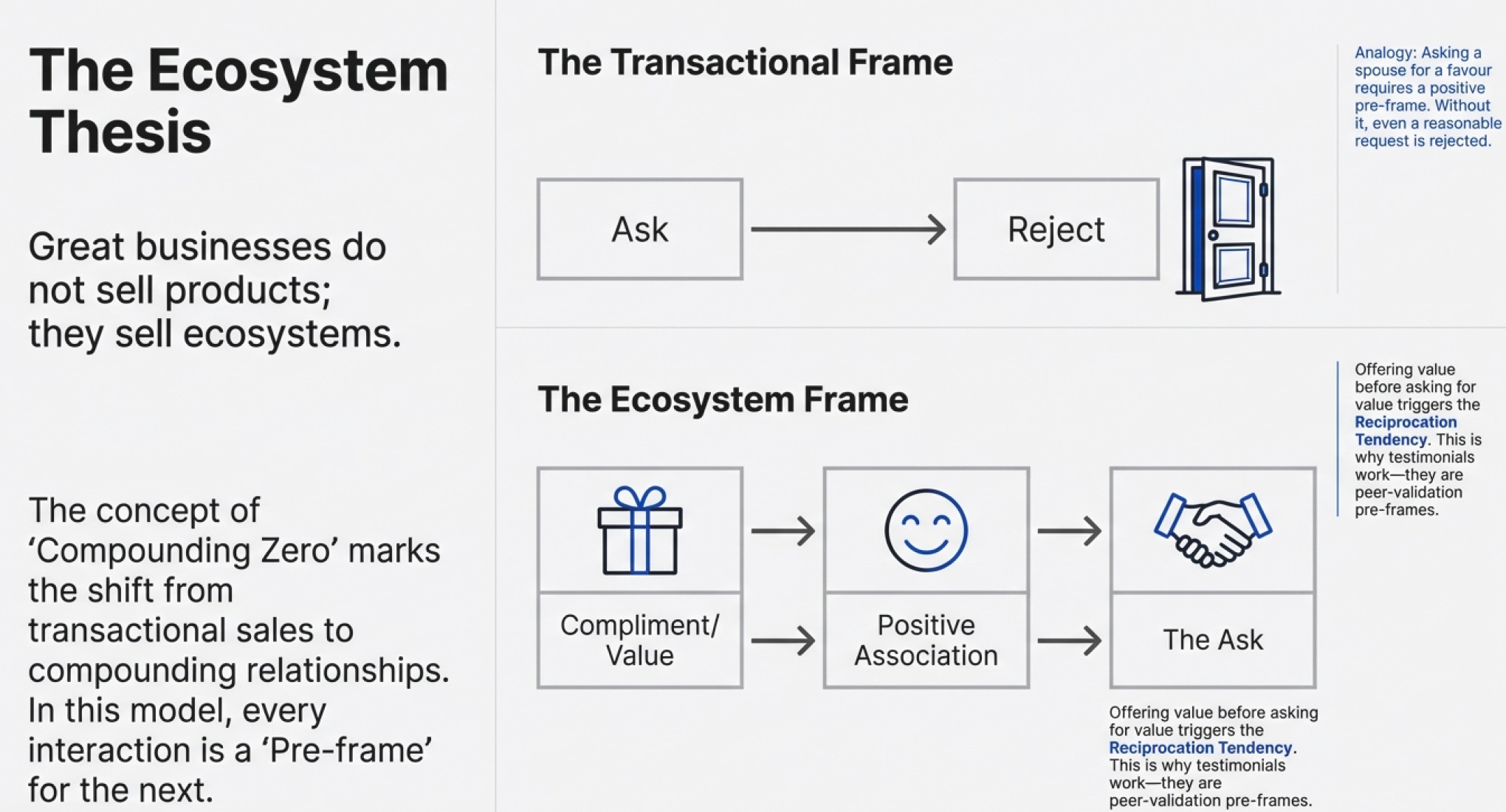
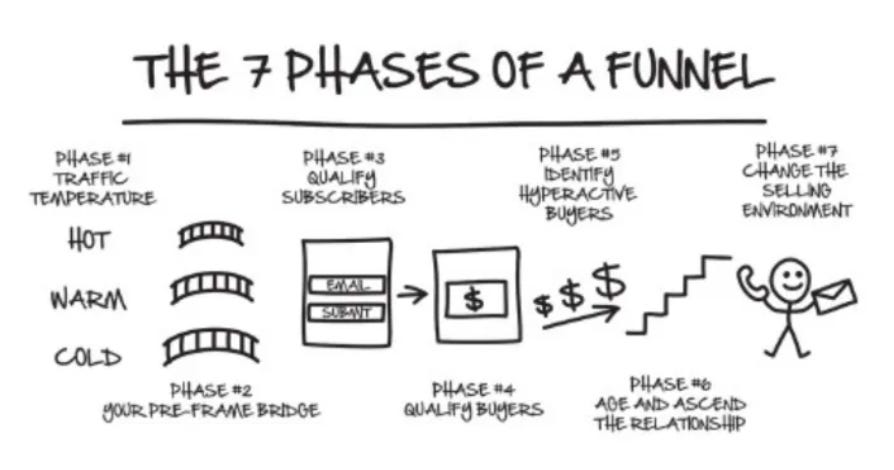
Each Step in a Funnel is a Pre-frame to The Next Step
e.g. when you want to ask your wife for a favour you pre-frame hey by saying “wow you look beautiful today….” then you follow up with [your ask]
She is more likely to repond the way you want her to because you set up a positive frame of mind before asking a favour
Now consider if your audience pre-frames you as a scammer, regardless of how good your offer is, they will not convert to customers
When you pre-frame an audience by showing them their problems, and how your product helps, it helps conversion
Therefore, testimonials help (testimonials are usually from you audience who are similar to each other an dcan relate to each other since they have the same problem)
Offering value before asking for value is important (Reciprocation tendency)
Here’s Why Pre-framing is So Important
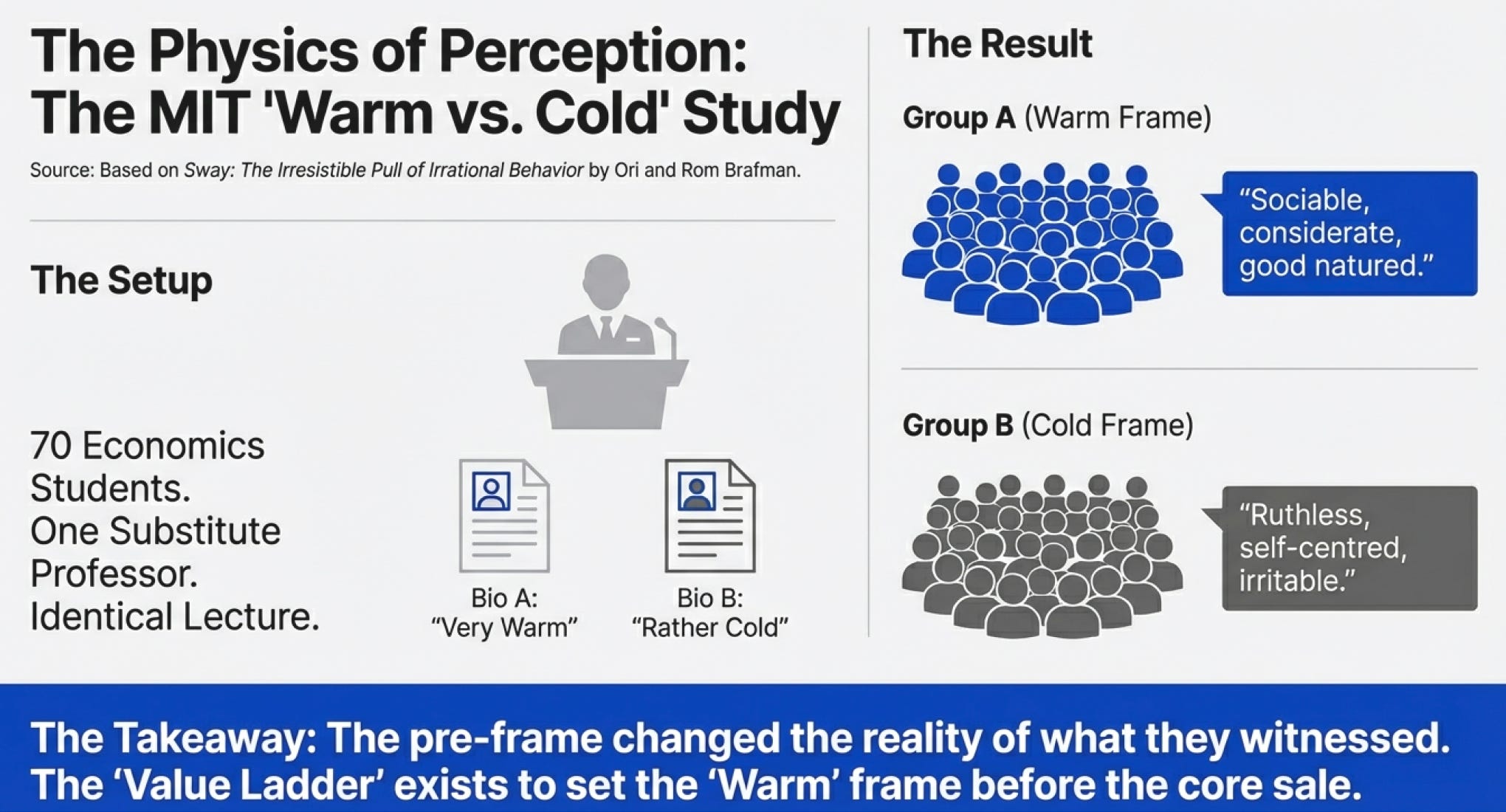
In the book Sway: The Irresistible Pull of Irrational Behavior, by Ori and Rom Brafman, I read about a fascinating study that took place at MIT, demonstrating the pre-frame principle in action.
It went something like this...
One day, a class of seventy economics students were told they would have a substitute professor for the day. Since this professor was new, each student was to read a short biography of the teacher.
The bios handed out to all the students were identical—except for one phrase. It praised this teacher’s graduate work in economics and listed various fabulous accomplishments. Then half the bios described the professor as “a very warm person,” while the other half described him as “rather cold.”
That was the only difference—one phrase.
After the lecture, each student was asked to fill out a survey to see how they liked the teacher. The ones who received the “warm” bio said they loved him. They said he was good natured, considerate of others, and sociable.
The students who received the “cold” bio didn’t like him at all. They said he was self-centered, formal, irritable, and ruthless. These students all sat through the same lecture, but the pre-frame changed their perception of what they witnessed. This study is such a cool example of the pre-frame principle at work. And this is why we have the value ladder...
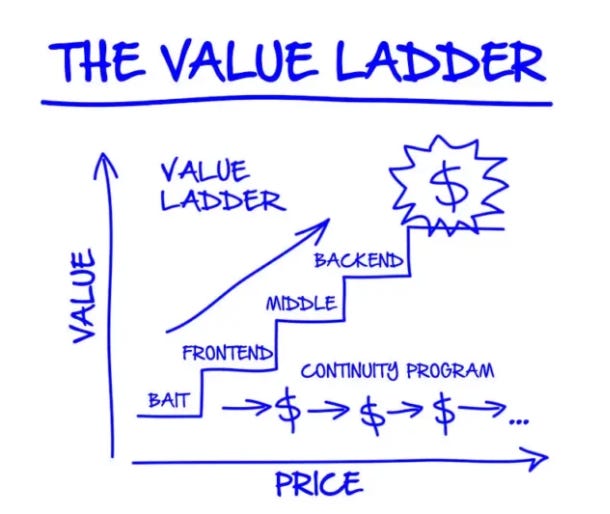
Lower The “Barrier to Building a Relationship With You” for your customers
Many great business do this by offering a low-ticket high-value lead magnet first.
How many more subscribers do you need to show “exclusivity” on your lead magnet? How to get [these amount of “subscribers”] from [which traffic source]?
Creating a Lead Magnet and Bait
Years ago you weren’t allowed to try things on before you buy them. Then one savvy business owner created a fitting room and sales skyrocketed. Now it is implemented everywhere
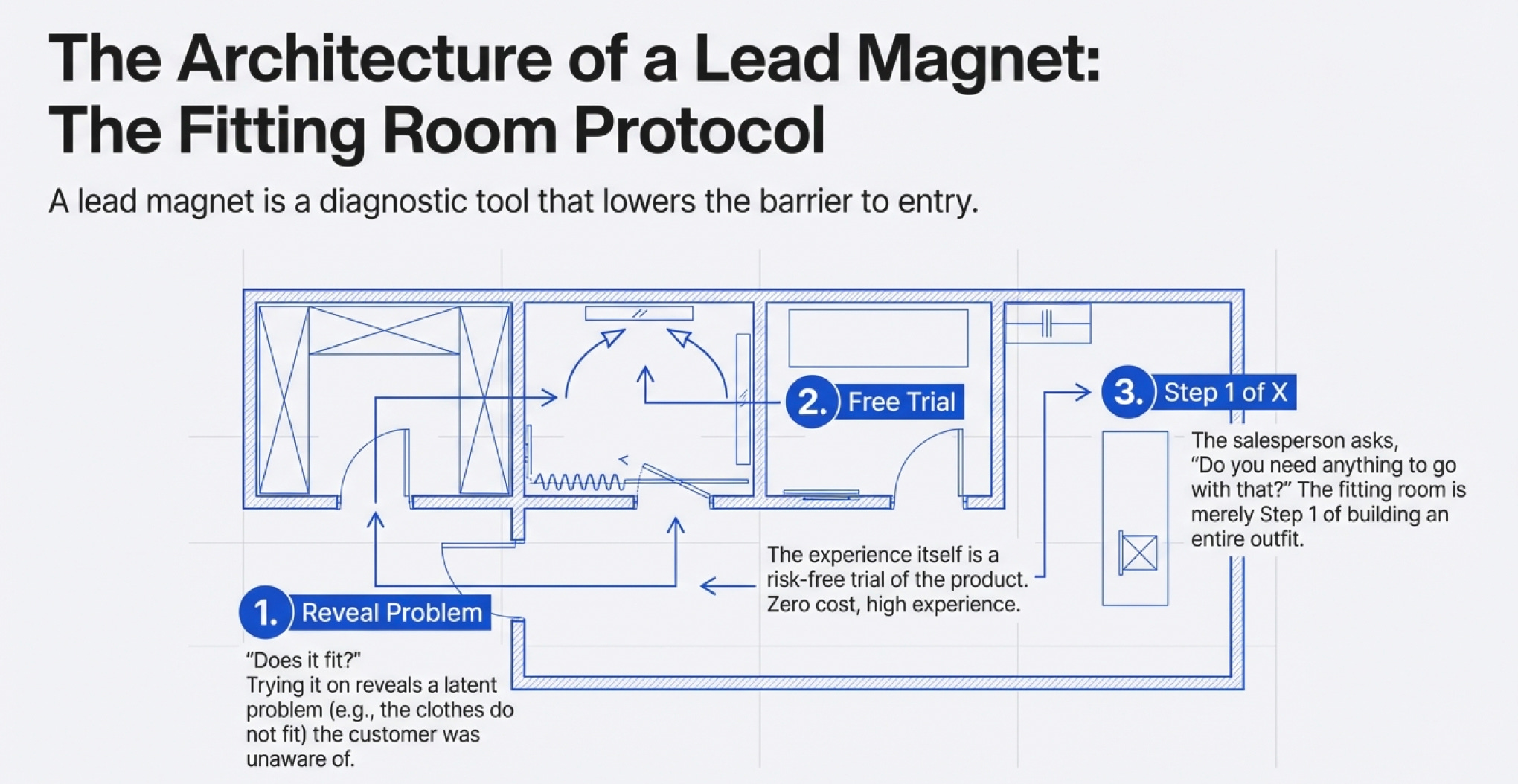
Here’s why the fitting room is so power; because it has all 3 lead magnets
Reveal problem: It reveals a problem once you try something on - you might find that it does not fit
Free trial: You get to try something on - like a free trial
Free step 1 of x: Once you finish from the dressing room, the salesperson would ask “do you need anything to go along with it?” - and the fitting room becomes step 1 on a multi-step process of creating an outfit
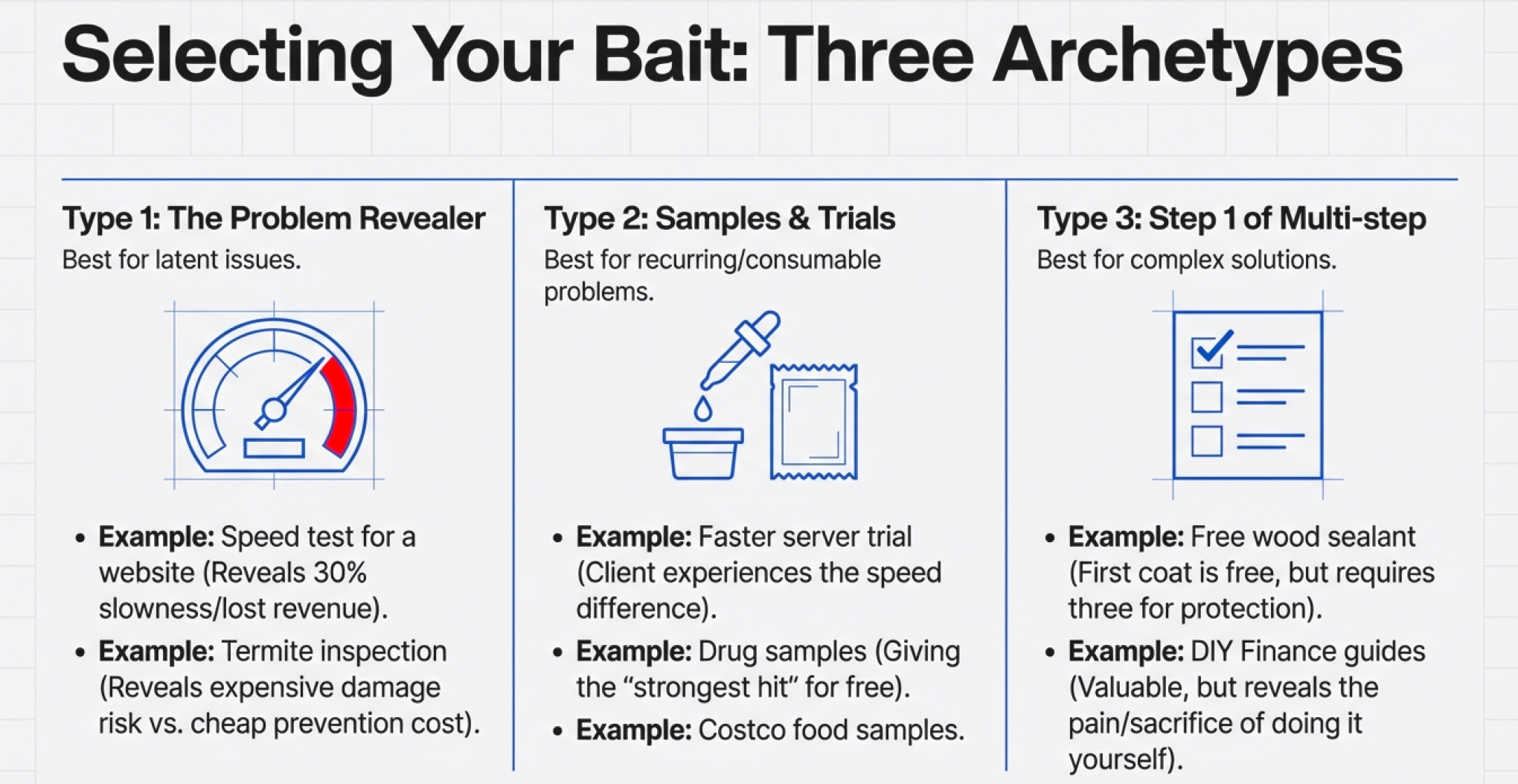
Magnet 1: Reveal Problem
Your audience has a problem they don’t know about, but your lead magnet can make them aware of that problem. These lead magnets work great when they reveal problems that get worse the longer you wait.
E.g. You run a speed test that shows their website loads at 30% below the speed it should. You draw a clear line between where they should be and how much money they lose by being below standards
E.g. You do a termite inspection that reveals what happens when the bugs eat their home. If they do have termites, you can get rid of it for cheaper than the cost….of another home. If they don’t they can pay you to prevent the termites from coming in to begin with
Magnet 2: Samples & trials
You could solve a recurring problem for a solution that expires shortly or with limited usage amount. This gives leads a sample or trial of your core offer. These lead magnet work great when your core offer is a recurring solution to a recurring problem.
E.g. You hook them up to your faster server and show them their website loading at faster speed. They experience getting more customers from faster load times. If they want to keep it, they must keep paying you
E.g. Food, cosmetics, medicine and other consumables. Consumables by nature have limited uses and solve recurring problems with its recurring use. So single serving “fun-sized” samples are great lead magnets. It’s how Costco sells more foods than other stores - they give out samples!
E.g. A free drug sample is a lead magnet. Drug sellers make sure to give you the “strongest hit” for free, so that you will come back for more (paid)
Magnet 3: One step of a multi-step process
You can give them one step in a multi-step process that solves a bigger problem. These lead magnet work great when your core offer solves a more complicated problem
E.g. You give away a free wood sealant for a garage door. But the sealing process requires three different coats to protect from all weather conditions. You do the first one free, explain how it only gives partial coverage, and offer the other two in a bundle
E.g. You give away free finance courses, guides, calculators, templates. etc They are so valuable people can really do it all themselves. But, they also reveal the time, effort, and sacrifice of doing it all. So you offer financial services to solve all that
🔥 Make it darn good
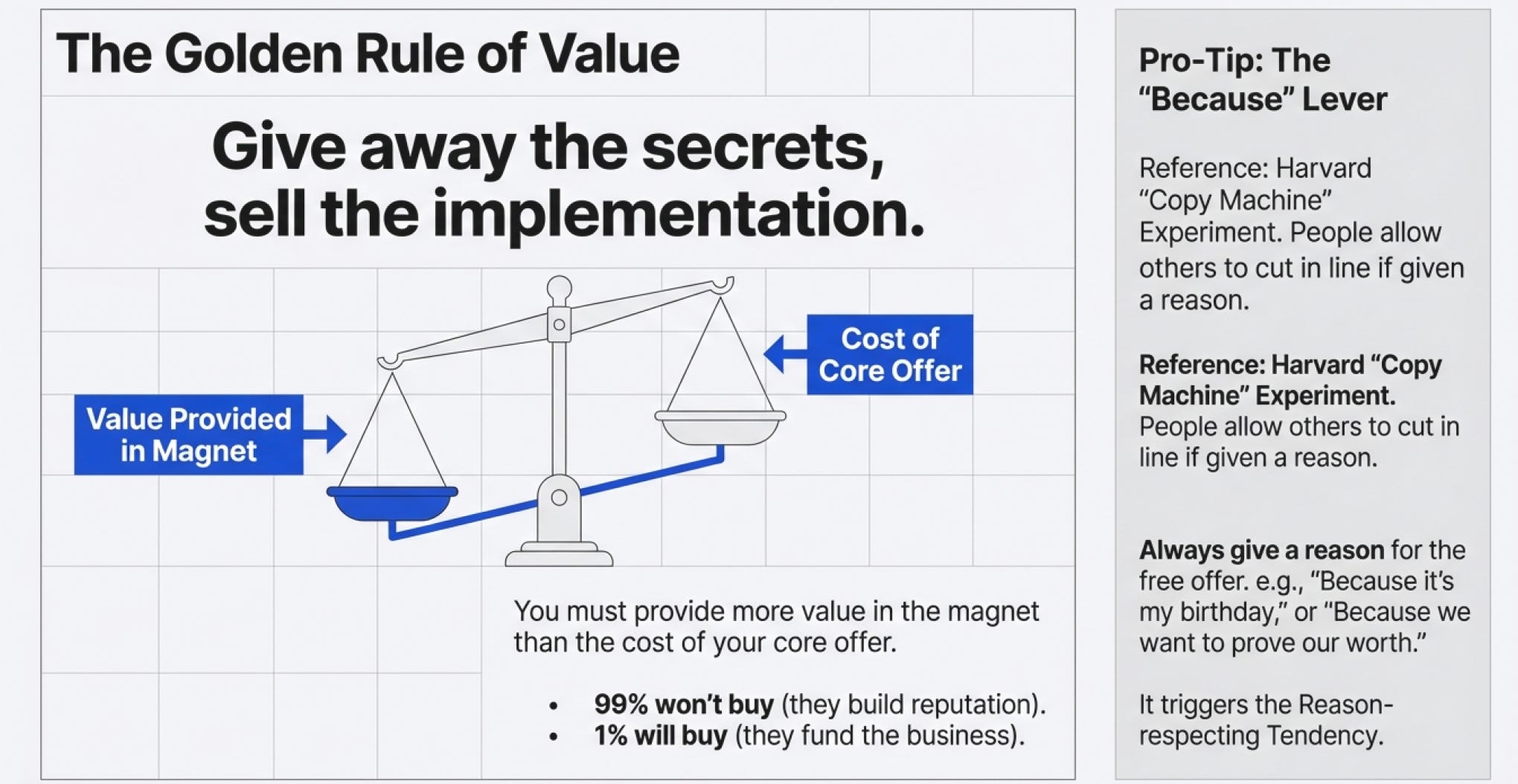
Give away the secrets, sell the implementation
You can never provide too much value, but you can provide too little
The goal is to provide more value than the cost of your core offer
99% of the people aren’t going to buy but they will create (or destroy) your reputation
Make Up a Reason (Reason-respecting Tendency)
A Harvard experiment showed that people are more willing to let others cut a line if given a reason. Think of the stuff you say after the word “Because…” e.g. Because….mom knows best, your country needs you, it’s my birthday
Making Customer Acquisition Sense - LTGP:CAC
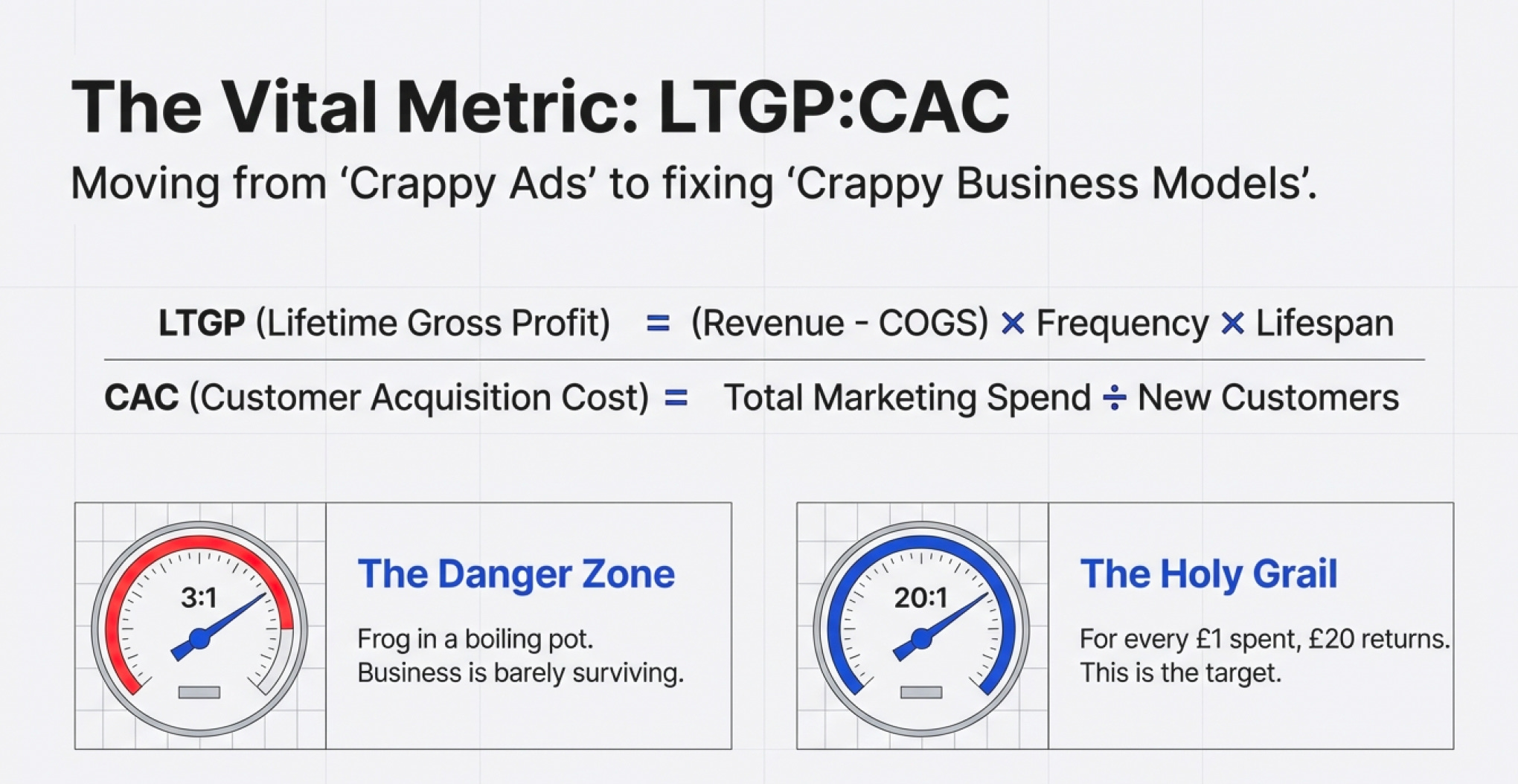
This is the delivery vehicle of your value ladder and lead magnet. Most entrepreneurs think that they have crappy ads (high CAC) but in actual fact, they have a crappy business model (LTGP). By changing the LTGP (business model) with your value ladder and reducing CAC (crappy ads) with your lead magnet, you are now changing the equation. And note that what affects your LTGP is really your imagination (as mentioned in the value ladder section), i have seen businesses that have successfully engineered up to a ratio of 20 LTGP:CAC. This means for every $1 they spend, they get $20 back! 🙌 Meanwhile, like a frog in a boiling pot, most businesses are in the red (not an integer) and they don’t even know that.
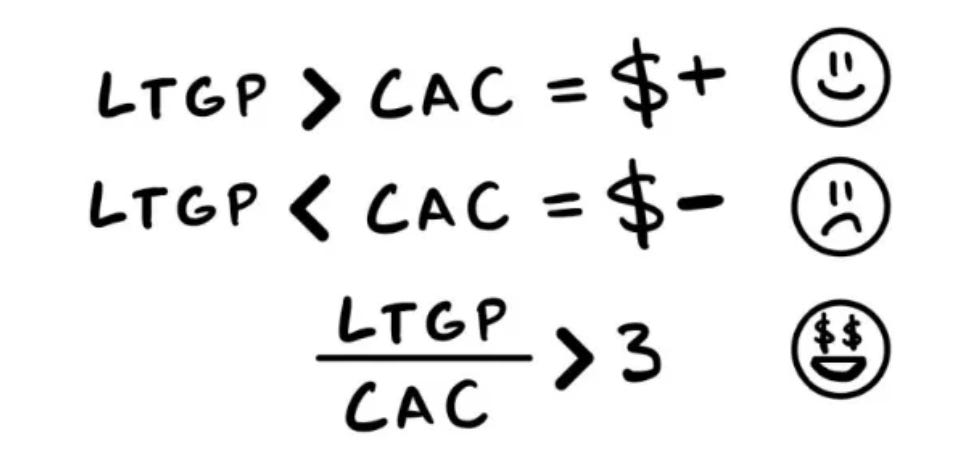
LTGP = Lifetime Gross Profit (of a customer)
LTGP is calculated by subtracting COGS from total customer lifetime revenue, providing an indication of how effective a company is at retaining customers and generating revenue. We tend to represent this on a per unit/ per person basis
Let’s say a customer spends an average of $50 per purchase, the gross margin is 60%, they make 2 purchases per month, and the average customer lifetime is 5 years (60 months).
Step 1: Calculate the gross profit per purchase: $50 * 0.60 = $30
Step 2: Calculate the total gross profit per month: $30 * 2 = $60
Step 3: Calculate the total months an average customer stays: $60 * 60 months = $3600
CAC = Customer Acquisition Cost
To calculate CAC, add up all the costs associated with acquiring new customers in a specific period, then divide the total by the number of new customers who made purchases during that period.
Total marketing spend ($500) ÷ New customers (1) = CAC ($50 per customer)
It’s important to note the number of new customers acquired refers only to first-time customers and does not include returning or retained customers. This distinction ensures the CAC calculation accurately reflects the cost of attracting new business, rather than conflating it with the costs associated with existing customer retention. Similarly, you want to make sure you are comparing apple with apple in terms of where (or which platform) the customers are coming from.
Creating a Loss leader
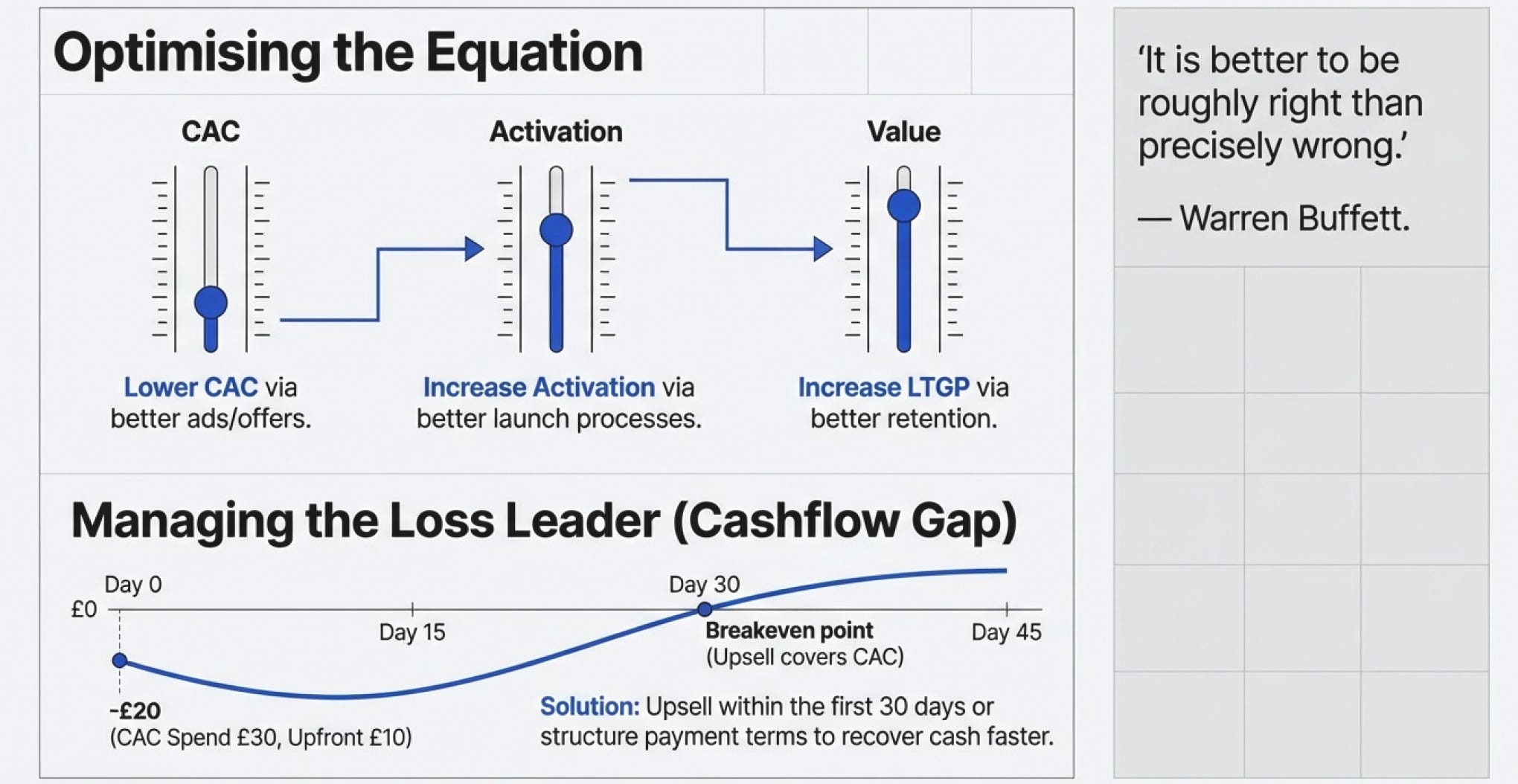
Note: sometimes you don’t get the full LTGP paid upfront to run the ads (CAC) e.g. $100 LTGP & $30 CAC but you only get $10 upfront from the customer in the first 30 days - you’re negative $20 in cashflow for the first 30 days
Solution: sell the customer more item in the first 30 days to reach a $20 profit to run $30 CAC //or// figure out a way to get your customers to pay you back in the first 30 days (gyms use huge upfront packages and upsell downsell cross-sell other products and services).
It is important to note, whilst all these formulas and use of data seems “amazing”, as Warren Buffet mentioned; it is better to be roughly right that precisely wrong.
To Optimize LTGP:CAC, Sell Through Leverage
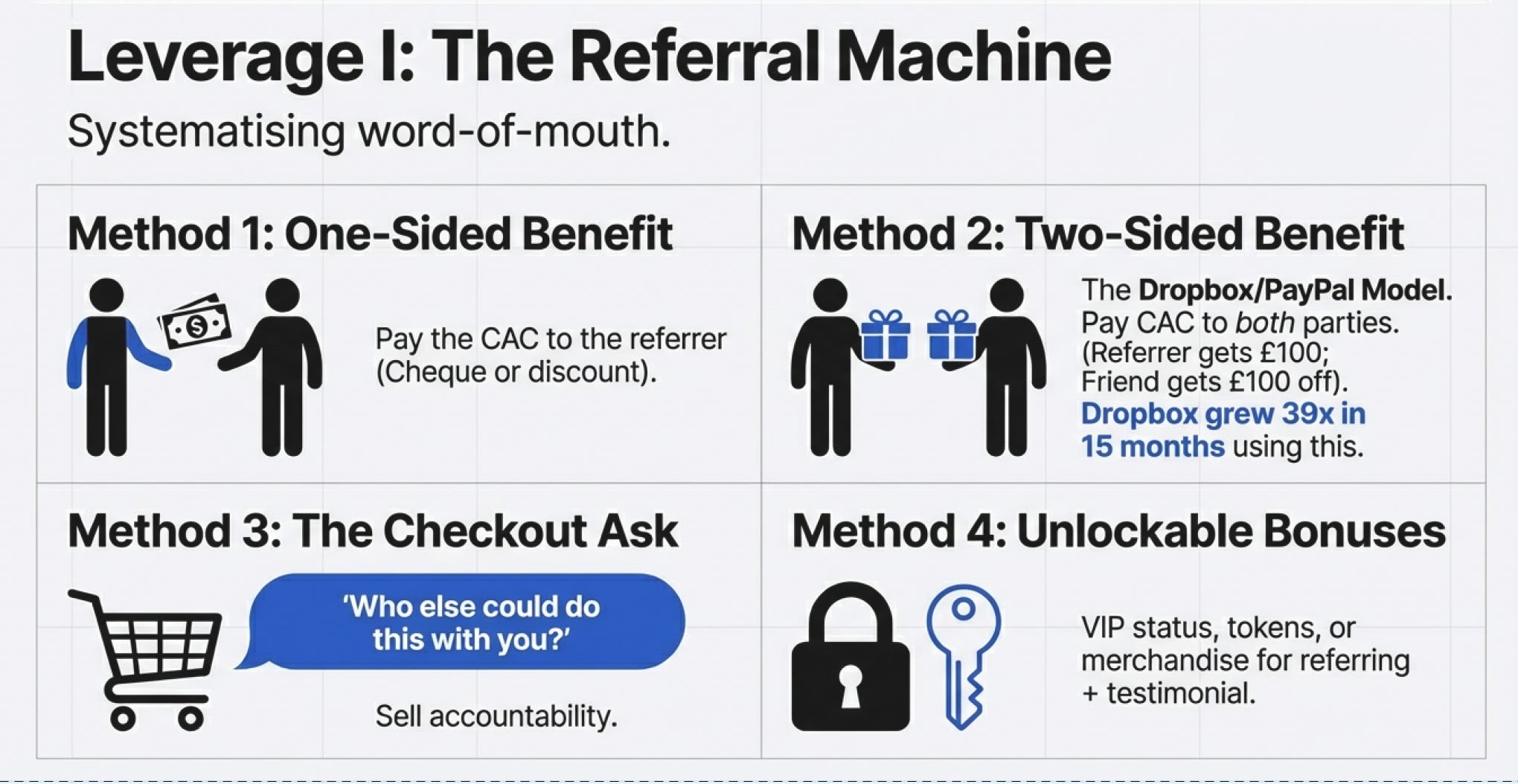
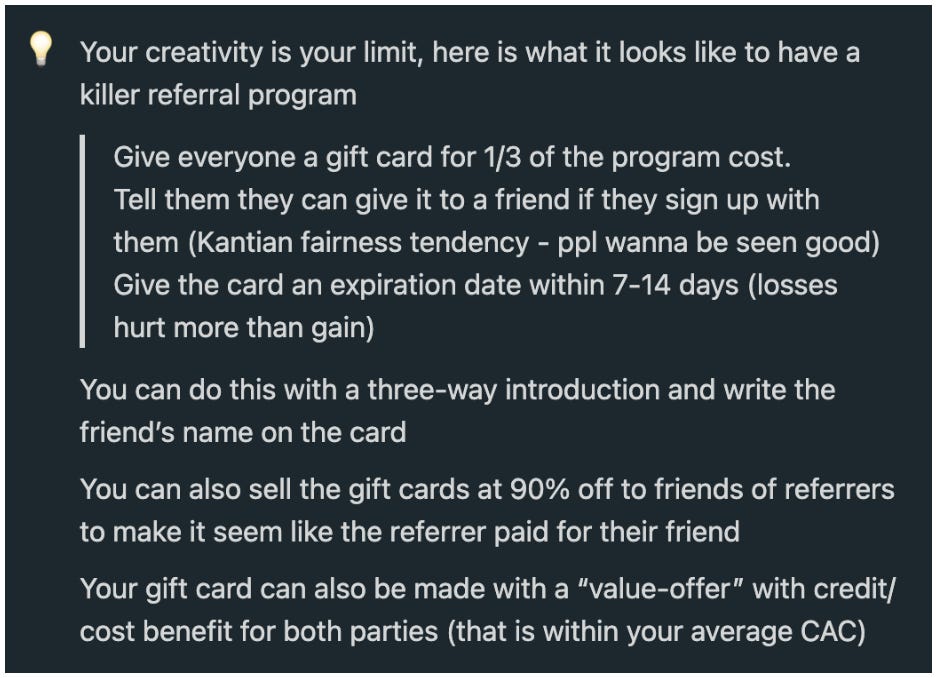
Method 1: One-sided referral benefit - Pay your average cost (CAC) to the referrer or friend
e.g. Assuming the average CAC is $200. Ask the client to make a 3-way introduction with SMS/ email.etc Ask them to do the introduction immediately after they buy. Write a cheque of $200 OR give their referral $200 off
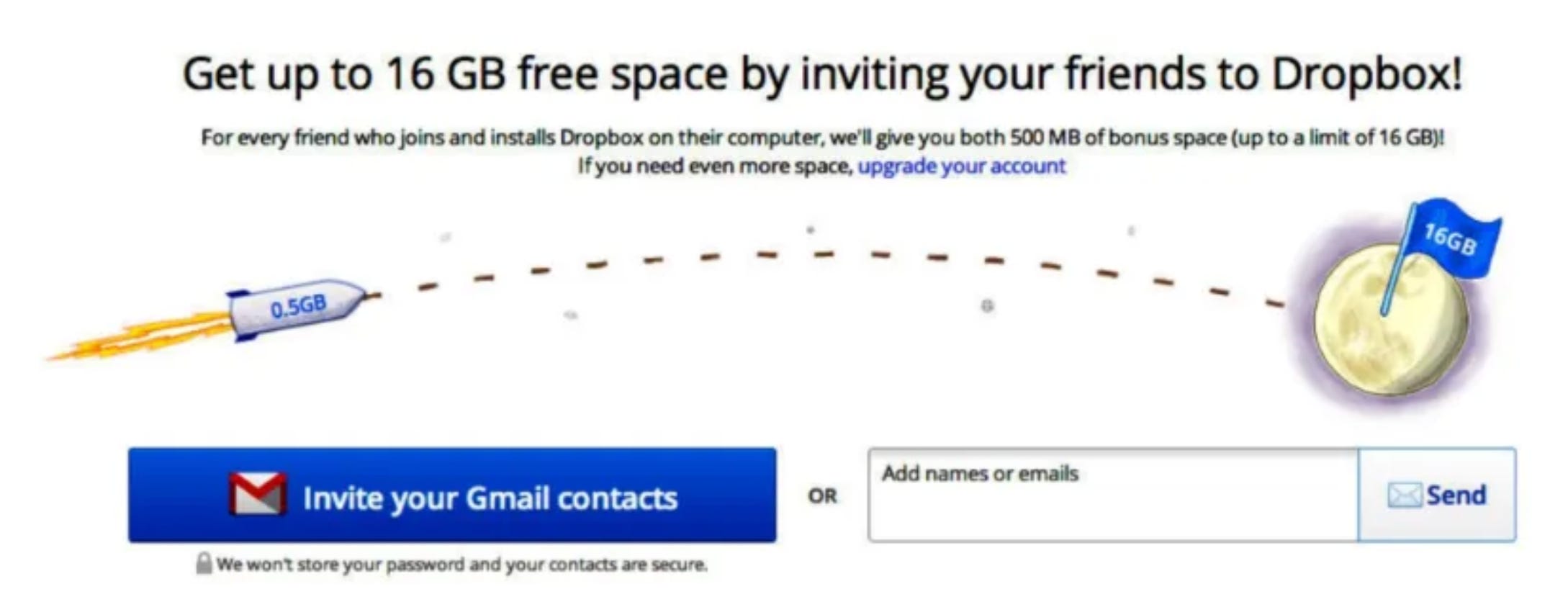
Method 2: Two-sided referral benefit - What Dropbox & Paypal did. They paid the CAC to both the referrer (in credit/ cash) AND the friend (in credit), not just one of them
e.g. you sell $500 programs. CAC is $200. For every friend someone refers, the referrer receives $100 in cash and the friend receives $100 off for signing up. Good for up to 3 friends
Method 3: Ask for a referral right when they buy - On sales/ checkout, ask for names and numbers of those they’d like to do this with
Show them they will get better results with others. Show that people who do our program with someone else gets 3x results. Use stats to sell everyone on the benefits of working with others. Who else could you do this program with?
Method 4: Unlock-able referral bonuses - Create bonuses for people who (1) Refer (2) Leave a testimonial
e.g. Unlock VIP bonus, courses, tokens, status, training, merchandise, service level, premium support, additional hours of service.etc
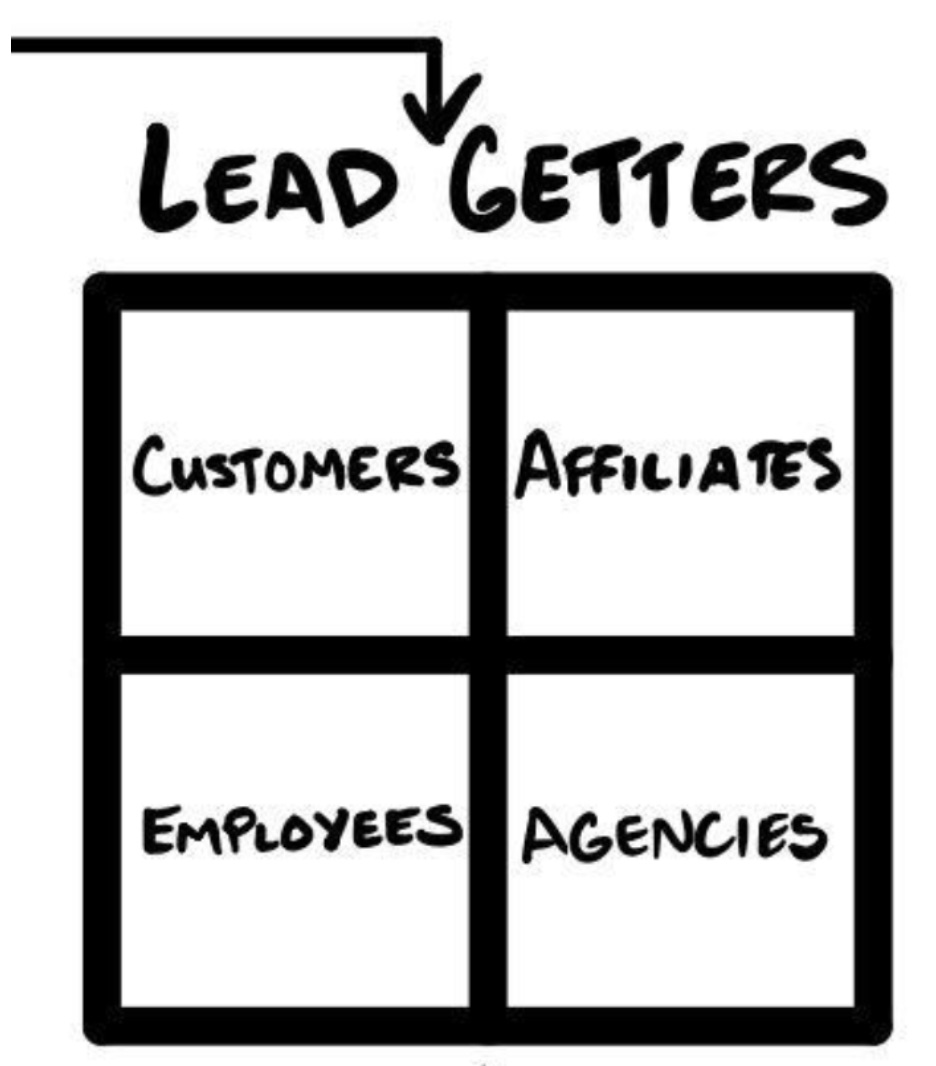
10x Your Customer Acquisition with Lead Getters
Get other people who can get you more leads. The key here is that it you are leveraging on their time value so you can free up your time for more important stuffs (like learning and building key relationships). Because you don’t want to be working IN your business, you want to be working ON it - your core role should be identifying problems the “machine” you are building can solve and further enhancing the “machine” to solve them (instead of being part of the “machine” like most owners):
Learning reveals what Peter Thiel deemed as “secrets” that tends to relate to problems to untangle and solve
and most solutions to problems are always WHO not HOW - Dan Sullivan
If LTGP:CAC is Less Than 3:1, There Are 3 Ways To Improve It
✅ Lower CAC: Get affiliates for less e.g. improve ads, process, sales offer
✅ Increase LTGP decrease CAC: Get more to activate e.g. creating a launch process
✅ Increase LTGP: Make them worth more e.g. improving integration process
🔑 Customers
Most small businesses barely escape the hamster wheel of death because they have the same customers entering as they do exiting. Their CAC is huge whilst their LTGP is extremely low due to the churn and poor amount of value they can deliver. Therefore, we can say that there is 2 solutions to this problem
Make the product good enough (refer to the previous content materials)
Create an environment of referrals (with reference to the infographics below 👇)
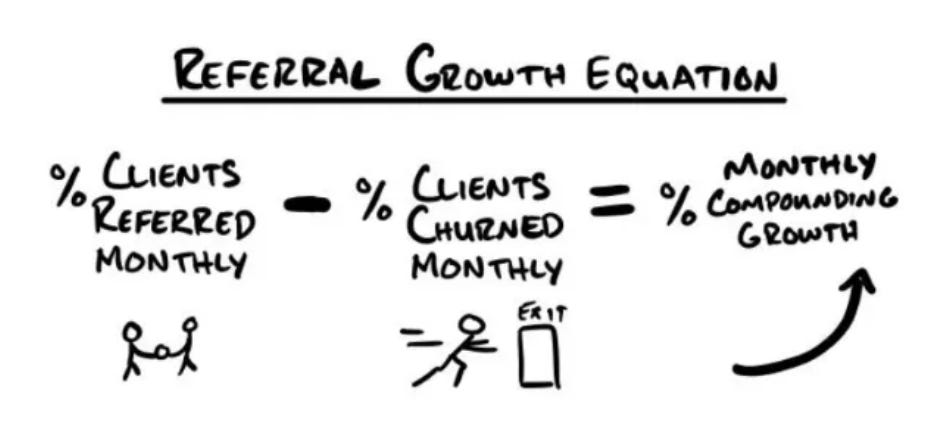
Customers only refer when they think its very likely their friend will have a good experience - because they are risking their goodwill with their friend, so sell higher value. Referrals only come when you show the value one can get by referring someone else
Dropbox gave free storage to customers and free storage to the friends they referred. The referral program went viral and they’d 39x their business in 15 months
Paypal gave $10 in credit to customers and $10 to the friends they referred. Within two years, the program helped them reach a million users, and six years later they hit 100million users. They still use it today
👨💼 Employees
If you trade 4 hours of managing employees for 40 hours of doing everything on your own that is 36 hours saved. Then you can trade 20 hours of managing 5 managers who manage employees for 4 hours. What remains is 4 hours of work for 200 hours (40 hours x 5 managers) of lead getting - ain’t that perfect leverage?
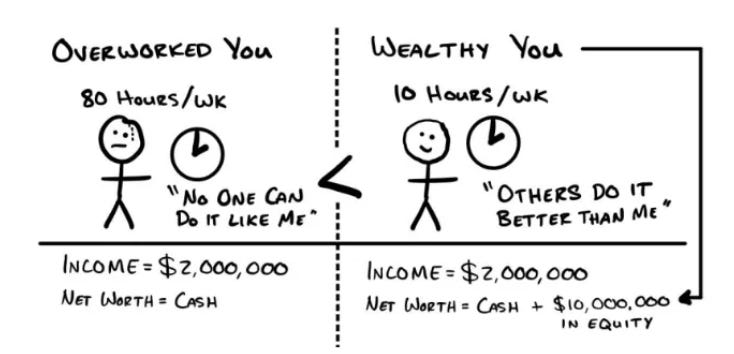
Before we get started, this is the mindset you need
If something is to be done right, someone should be taking ownership and spending all their time on it
If i can do it, someone else can do it better
Everyone is replaceable, especially me (if you vanish tmrw, can a stranger execute what you can as good as you can?)
Approach training with this
Give short window period for people to prove themselves. If they’re below expectations in three week, cut them
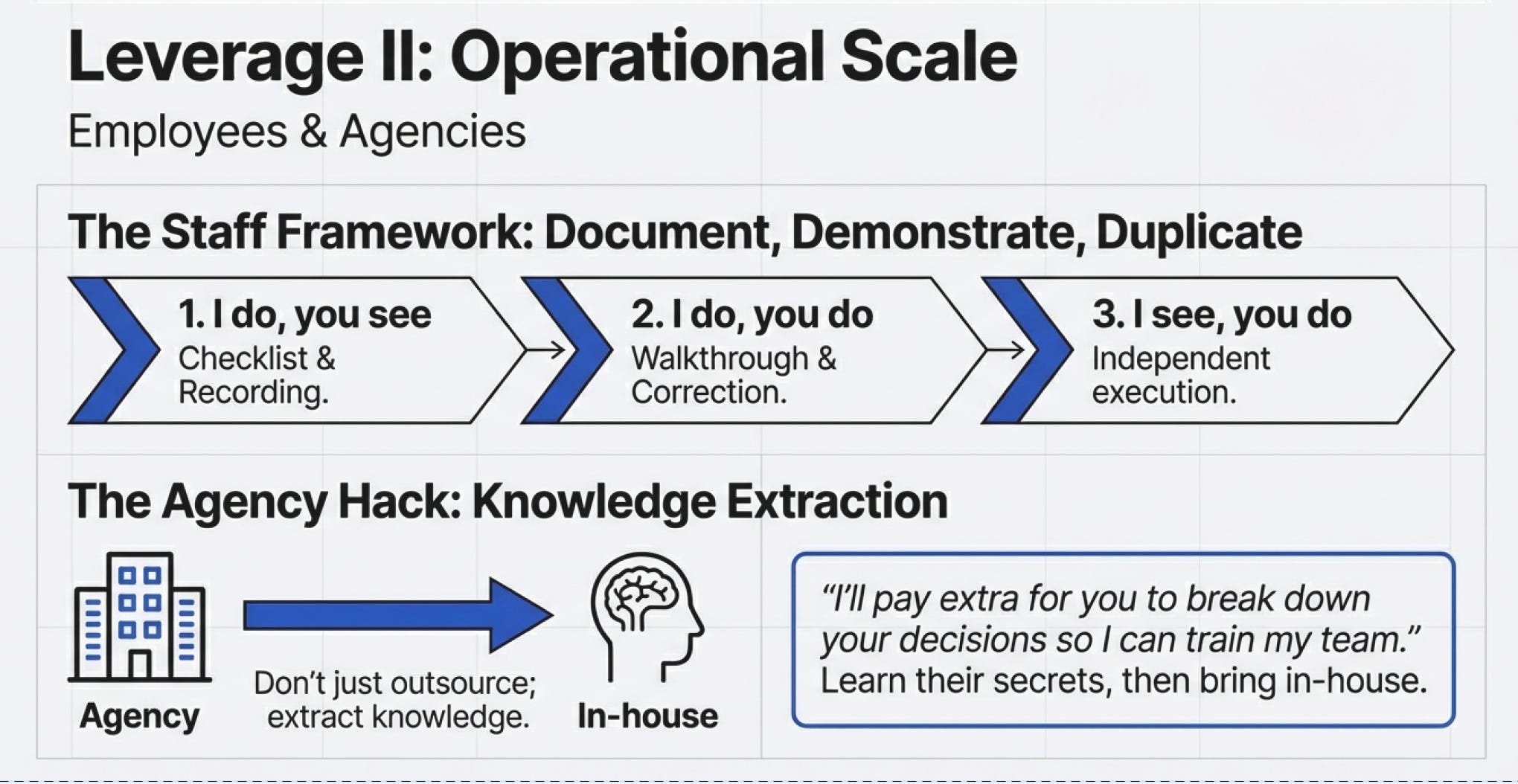
Document (I do, you see): Make a checklist and give it to them after showing them - bonus points if you can record you doing it so it saves you time
Demonstrate (I do, you do): Walk them through step by step. Identify which part in the checklist is a barrier to learning or doing then tweak that
Duplicate (I see, you do): Get them to run it themselves from A-Z again after you ammend
🤓 Agencies
You only get a fraction of the agencies attention, so results get worse when they get new clients - so make your team learn. Then compare the results of your team and the agencies until you beat them. Then cancel the relationship and put that money into scaling everything you just learned
Use agencies for learning new methods (content, outreach, paid-ads) & learning new platforms. Start every agency relationship with a purpose and a deadline to fulfill it
e.g. “I want to do what you do in my business, but i don’t know how. I’d like to work with you for 6 months so I can learn how you do it. I’ll pay extra for you to breakdown why you make each decisions you do and the steps you take to make them. Then, after i get a good idea on how it works, i’ll start training my team on it. And once they do it well enough, i’d like to change to a lower cost consulting arrangement. This way you can still help us if we run into problems. Are you opposed to this?”
The best agencies are always (1) Expensive (2) Have a waiting list (3) Are from referrals (4) No short-term hacks and give realistic expectations (5) Prominent companies get good results working with them
If the agency don’t meet your need or don’t have the specialty you need, ask them for a referral. Often, a good agency will refer you to another good agency
Always Make Sure Your Offer (Referrer Benefit) is Attractive to The Main Customers You’re Attracting
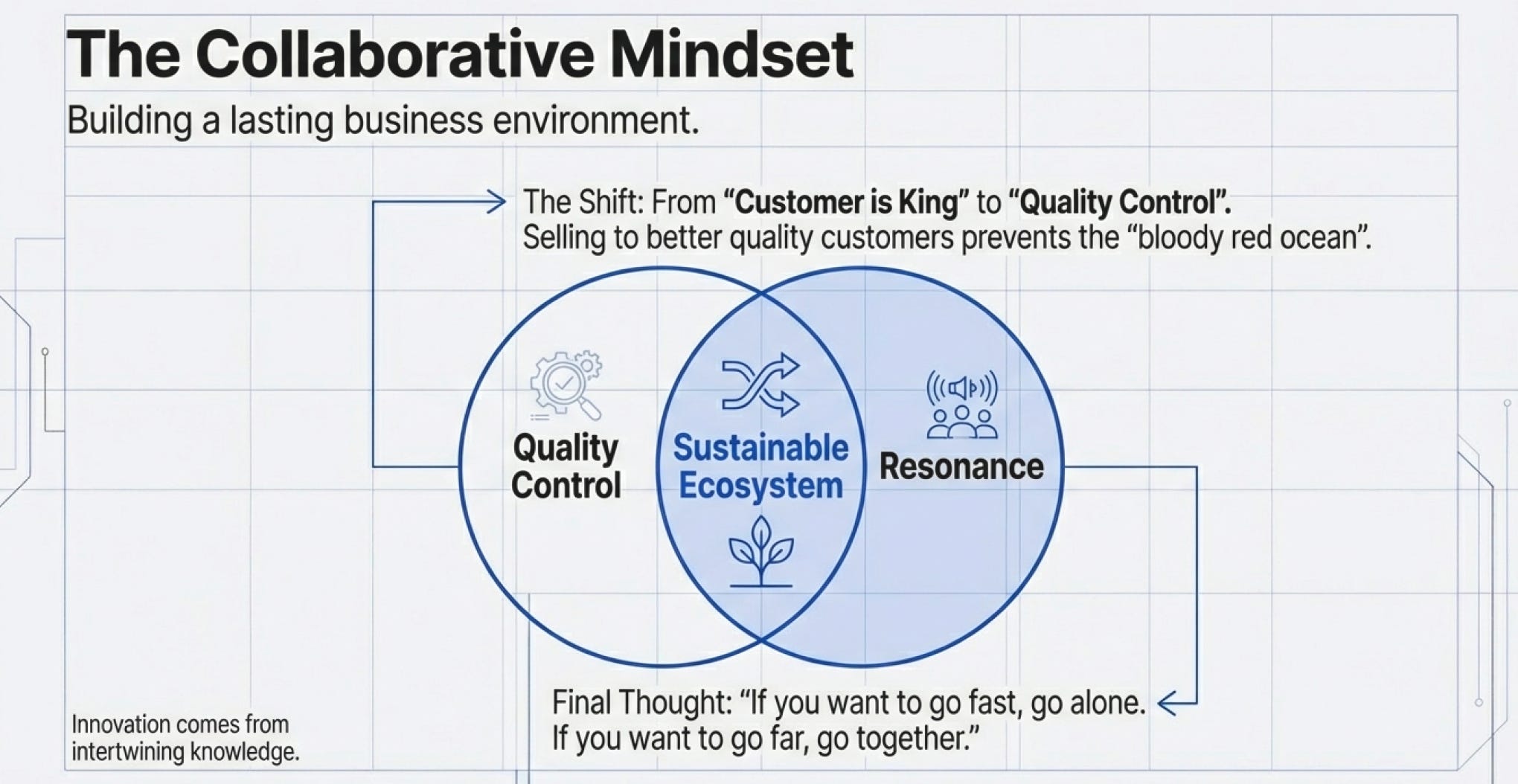
And always remember to sell to better quality customers - the world has transitioned from a “customer is king” business to a “customers are no longer king” business. This prevents less ideal customers and shows you have quality and standards in deliverables to the dream customers you are focusing on. The more you want to serve everyone, the more likely you’d end up serving no one and struggle in a bloody red ocean.
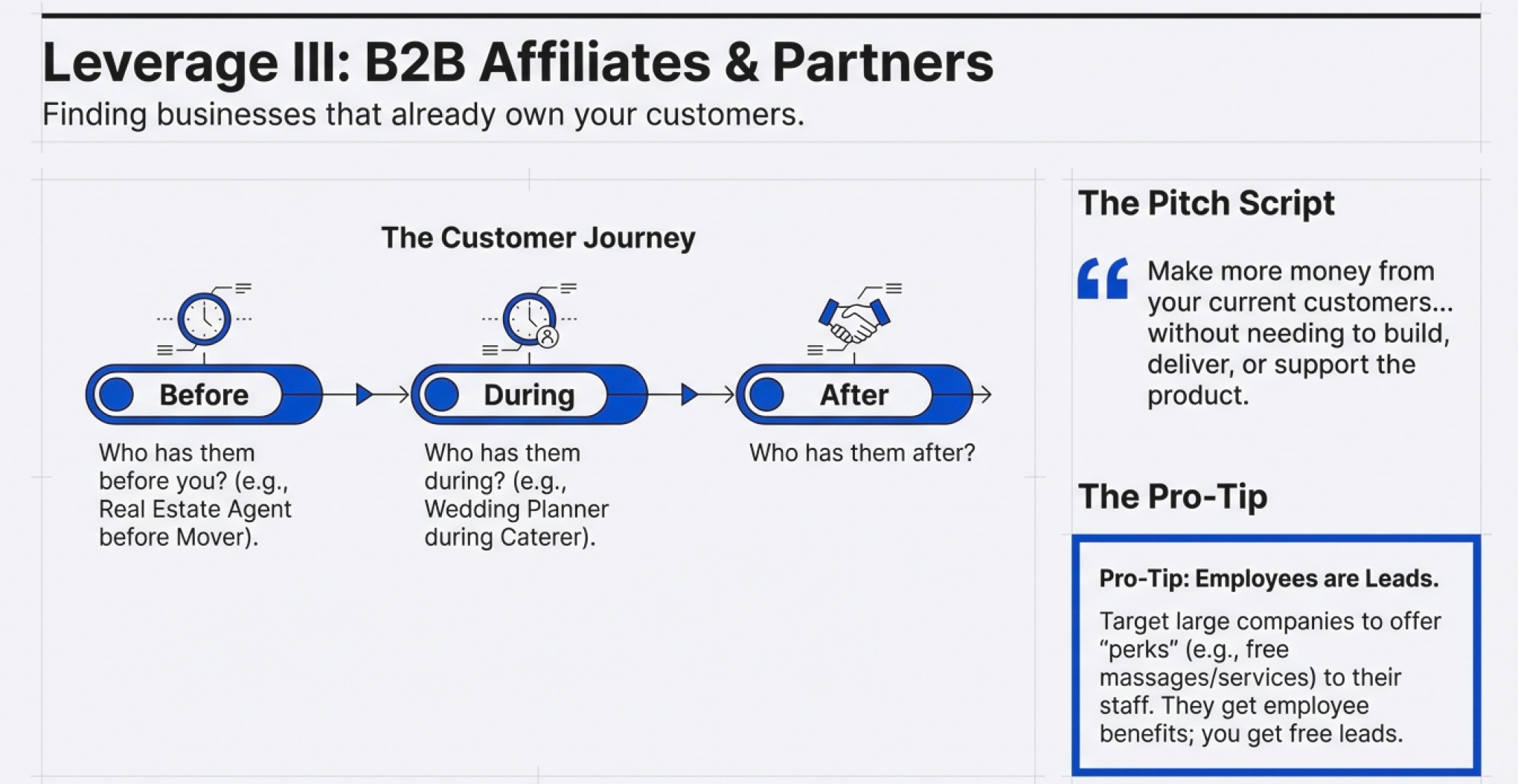
🎅 Affiliates and partners (think more business than individuals)
If you are a B2B business this is the perfect time where you can access new B2C markets/ other markets without time cost.
Step 1 - Find your ideal affiliates
A business with warm audience full of people like your customers. If none come to mind, answer these questions about your best customers:
What do they buy? 👉 Who provides that stuff?
Where do they do? 👉 What businesses are in that surrounding area?
What do they like to do? 👉 Who provides those services
What types of business do they work for? 👉 What kinds of jobs do they have?
Who got my leads?
These tends to fall in 6 categories: Softwares, Products, Equipment, Services, Groups they belong to, and Events they attended
Step 2 - Make them an offer
Since affiliates tend to be businesses, its easy, because all you got to do is: offer them a new way to make more money
Here’s a template for consideration “Make more money from your current customers and get more leads than your current offer [effectiveness of your product to achieve the feelings, experiences, desire, or status they want] ……. with a high chance of working since your customers already want the product [perceived likelihood of achievement] ……. without needing to build, deliver, or provide customer support for the product yourself [effort and sacrifice] so you can start selling it tomorrow [time delay]”
Step 3 - Qualify them
Like customers, we want to get these businesses their first wins as fast as possible. So we setup our terms to force them to win as fast as as possible. We do that by getting them to invest either (1) time (2) money (3) product - and get their skin in the game. We do this by
Making them a customer: Make them buy and preferably use the product to keep affiliate status
The more they invest in your product, the more money they make because if they don’t believe enough in your stuff to buy it, they probably shoudn’t sell it
Making them an expert: Make them pay for onboarding and training that certifies them as a product expert. If they are paying for the product, you can also use that as credits to offset what they pay for the training/ certification. The remaining money that they then use to pay for the certification can cover advertising and proper onboarding cost
How much to charge: 10-20% of what the average active affiliate makes in the first 12 months
Step 4 - Figure out what to pay them
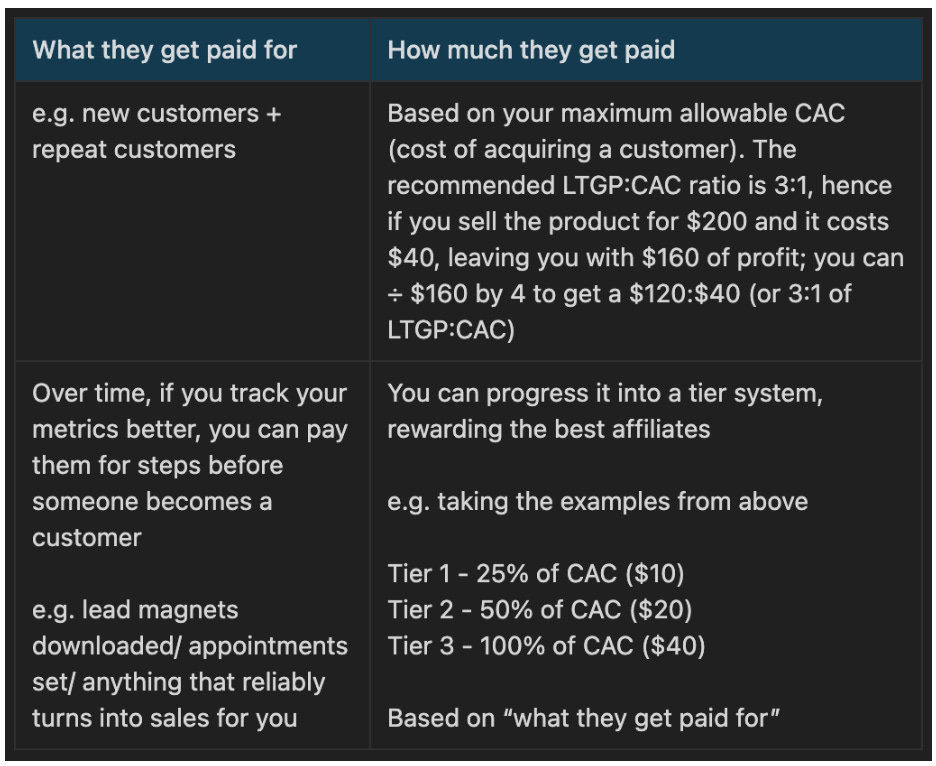
Pro-tip: pay with product if possible e.g. “Sell 3 get all 3 for free” or “Get free products for life as long as you get 3 clients per month buying” - rewarding performance with product cost is cheap and effective way to keep them winning
Step 5 - Get them advertising
How much value affiliates get from you determines how much they advertise your stuffs - in other words treat them like customers, and treat them well. And nothing does that well like big launches and lots of cash. This is also why it is important for your business to be campaign based (instead of just having a continuity program). By conducting launches, you now give your business the abiltiy to be “oversubscribed” - remember our supply demand curve and “exclusivity” principle?
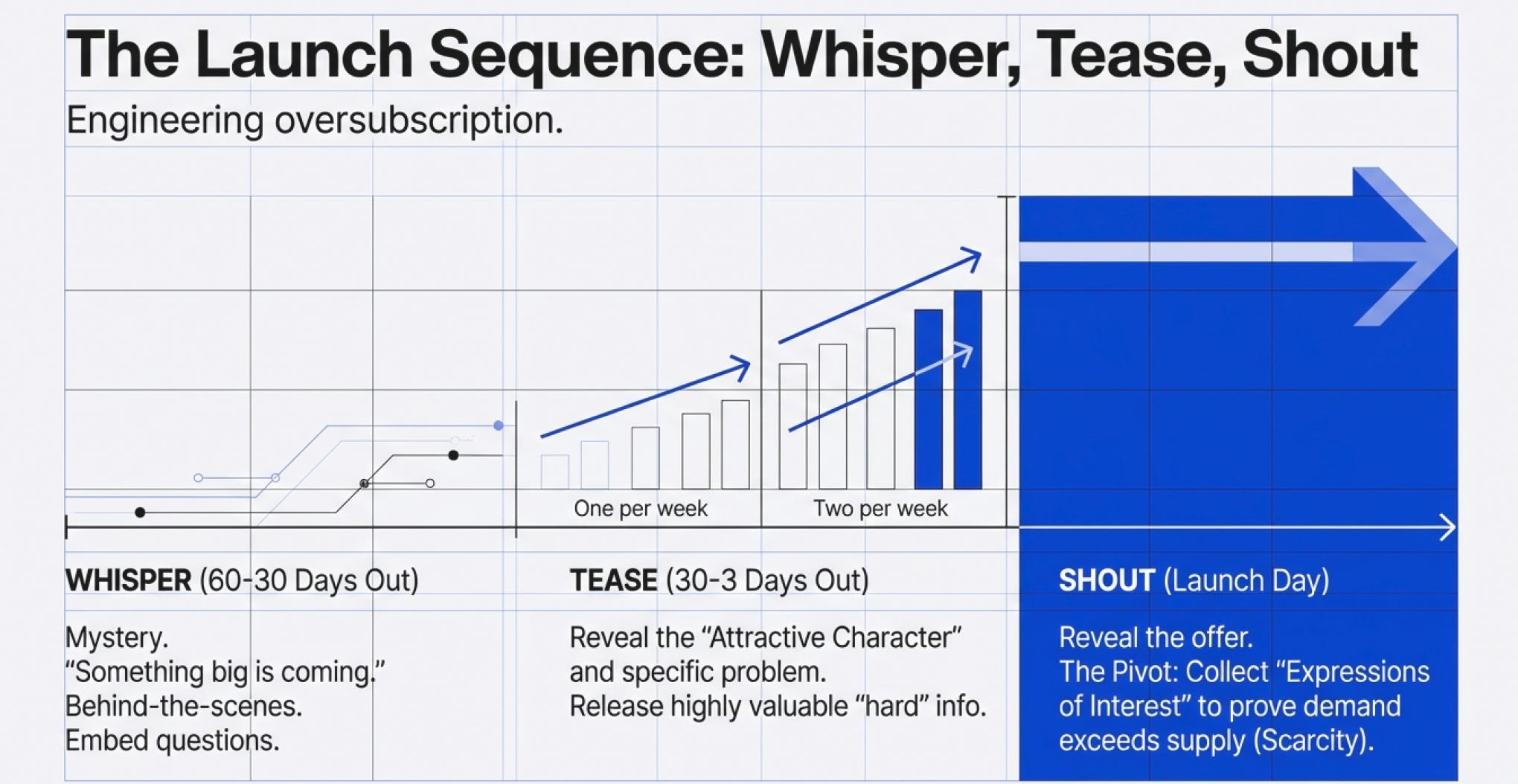
The longer something appears to take, the more an audience will value it e.g. an audience will value something more if it takes 10 years to make instead of 10 days
Whisper: Keep the product mysterious and hint at how big of a deal it is (Bonus points of you can show behind the scenes). Embed questions about the product in their minds
Start whisper every 4-6 weeks. When you get to 60 days out, start whisper every 2-3 weeks. When you get 30 days out, start teasing
Tease: Show elements of value through your “Attractive Character”. The parables/ an exciting story of the problem and how your Attractive Character benefits from it. Be more specific and give more “hard” information that is super valuable
Tease once a week when 30 days out. When 14 days out, tease twice per week. When 3 days out, SHOUT (think call to action)!
‼️ Start engineering oversubscription: This is where you reveal everything and collect “Expression of interests” to raise your demand
Shout: This is where you reveal that you only have limited slots relative to the “Expression of interest” - remember to use data to prove your demand relative to the shortage of supply
Try to delay selling still and use this to “sell your lead magnet”/ loss leader. The main intention here is to collect their contact information and get them into your funnel
And Lastly... Change the selling environment
Are you changing the selling environment for high-ticket offers?
When selling a high-ticket item, change the environment and do it in-person (credibility) and allows you to communicate at a higher level with more 5 senses involved. You are now selling “Experience” NOT another High-ticket product that has 101 million features that are amazing and will blow Einstein’s brain away.
Think of how luxury goods company make people queue up, it is part of the Pre-frame to establish Exclusivity (to be elaborated in the next section...)
Bonus: Integrating with Affiliates and Keep Them Selling For You
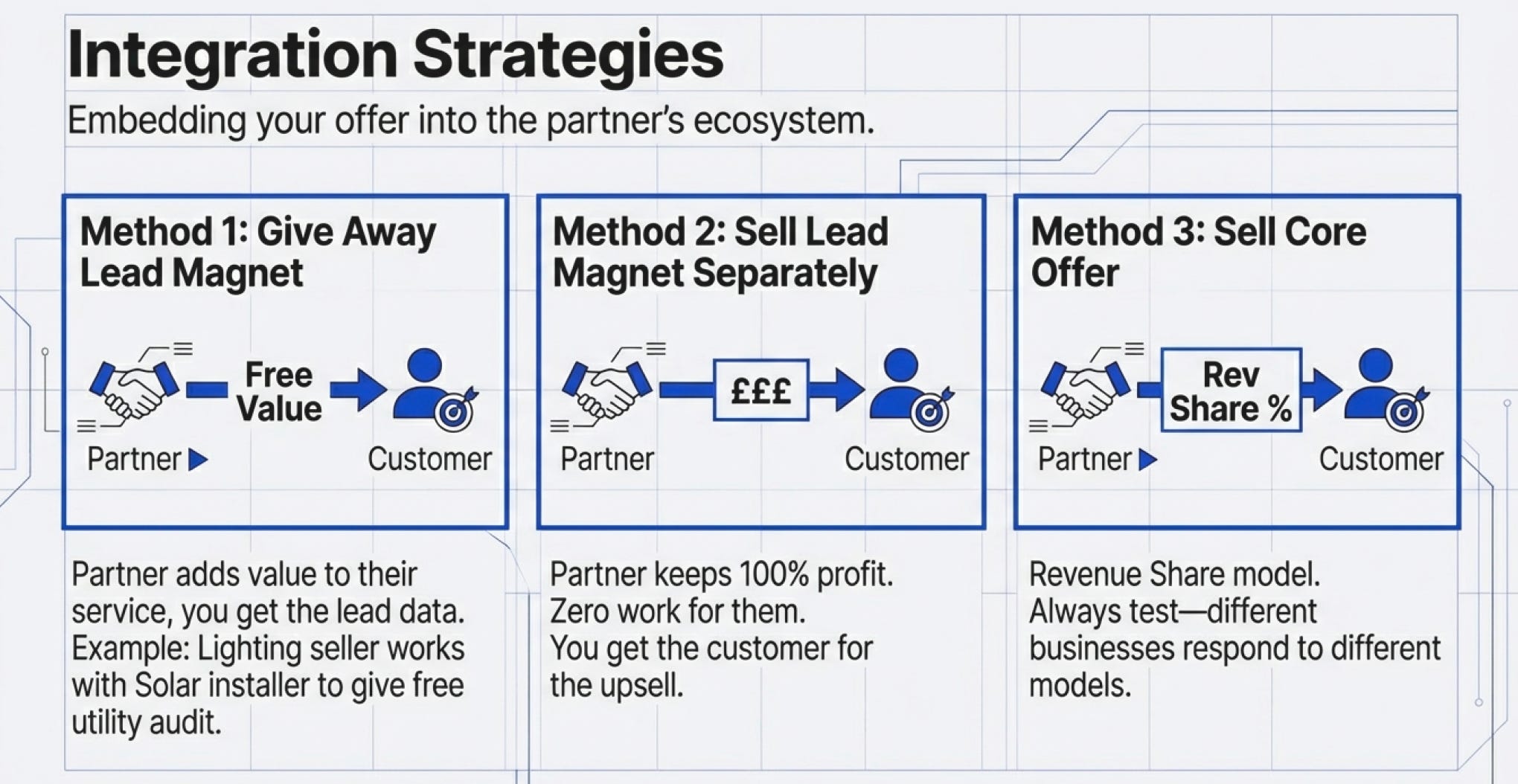
The only way to leverage the networks of your affiliates in the long term is to integrate your products into their offering as well. There are 3 ways to integrate your products to their offer
Method 1: Get them to give away your lead magnet (affiliate don’t earn, but their product value increases)
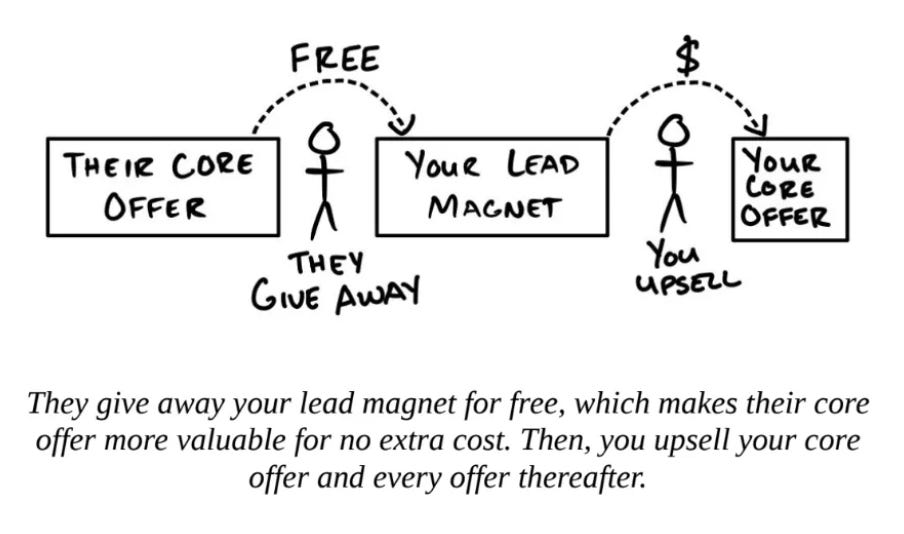
Give away a free trial/ reveal a problem
e.g. As a EV operator, you affiliate with the government & give away free shuttle services at specific time-frames. Then when commuters start struggling with the queues, traffic, privacy or time delay, you make them your customers by upselling your EV leasing platform + upsell the idea of operating (the now mini economic hub) for the government
Reveal a problem
e.g. As a light fittings seller, you affiliate with a solar panel installer & give away a free home utility cost-optimisation assessment. When the assessment is done, you show them the huge cost differential and make them your customer by upselling your lights
A single-step of a multi-step solution
e.g. As a light fittings seller, you affiliate with a solar panel installer & give away a free change of lighting for the whole house. Once they’ve installed you make them your customer by upselling the capability to grow plants and automate the lightings in the house
Method 2: Sell your lead magnet separately (affiliate earns, but their product value don’t change)
Affiliate can sell anything of yours that turns their customers into your customers. Giving affiliates all the cash from selling the lead magnet (you fulfil). This becomes all profit and no work for them - an attractive offer
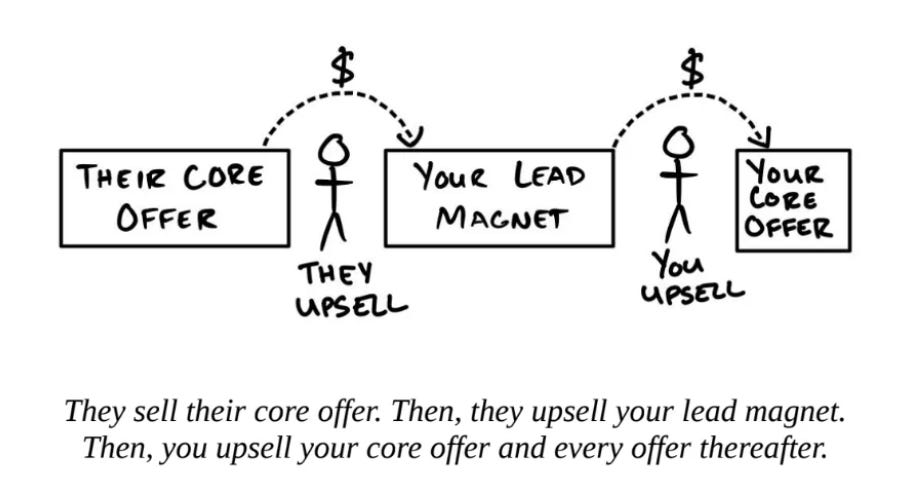
They sell one of the 3 items you give away for free in “get them to…Give away your lead magnet”. 👉 Then during the delivery of the item, you upsell/ get them in as your customer
Method 3: Sell your core offer
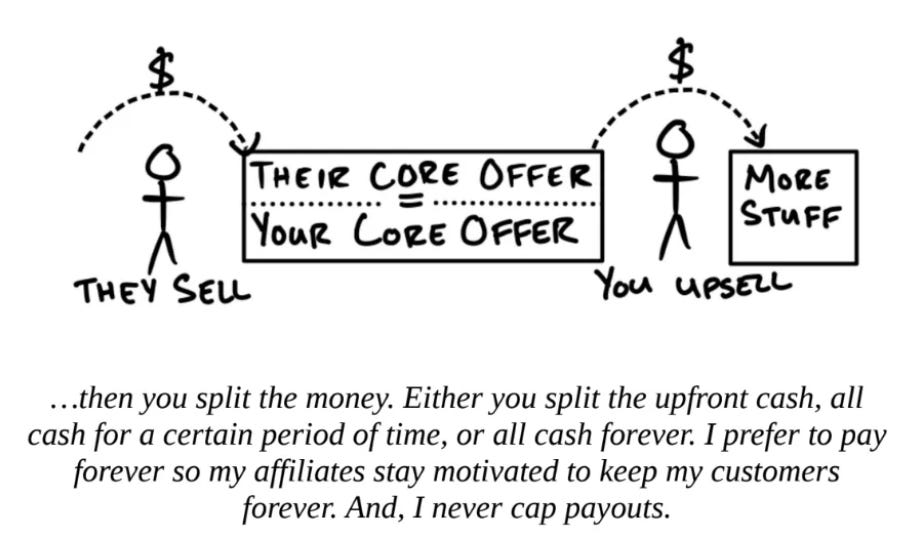
Always test. Even businesses of the same niche might have a different result. E.g. Strategy 3 might work well on an ongoing basis, while Strategy 1 might work best twice a year for business A. But for business B, Strategy 2 might work the best for an ongoing basis.
Pro-tip: Employees are leads too
Companies that hire a lot of people make great affiliates. This is HUGE for D2C businesses and WILDLY underused.
e.g. Every new hire at a company get a free massage in their new employee packet. Or you can give free massages to their employees at lunch. Its free. Its easy. And lots of companies want to provide more value to their teams. They get free value, you get free leads. And since they are probably not in the same business as you, there’s no “risk” of you competing with theirs. So employers can be amongst the easiest affiliates to integrate with
Now that we’ve got the “front-end” settled, we can take a look at the business operations itself...
Don’t Forget to Praise - Recognition From The Heart Is 🔑
if you want to go fast, you can go alone. But if you want to go far, you can only go at it with others. Recognize that the world is built on resonance. Humans are a highly cooperative and collaborative species. We only got here to where we are today because of that. If you were to look at the core of all man-made wonders, they boil down to knowledge and information passed down from one generation to another. Many successful cities often demonstrate higher levels of economic growth due to the innovation from intertwining and collaboration of various cultures
References
Hormozi, Alex. $100M Offers: How To Make Offers So Good People Feel Stupid Saying No. Acquisition.com Publishing, 2021
Hormozi, Alex. $100M Leads. Acquisition.com Publishing, 2023. ASIN: B0CFDR3TYV.
Brunson, Russell. DotCom Secrets: The Underground Playbook for Growing Your Company Online. Morgan James Publishing, 2015. ISBN: 9781630474775.
Koch, Charles G. Good Profit: How Creating Value for Others Built One of the World’s Most Successful Companies. Crown Business, 2015. ISBN: 9780804189323.
Sullivan, Dan, and Hardy, Benjamin. The Laws of Lifetime Growth: Always Make Your Future Bigger Than Your Past. Berrett-Koehler Publishers, 2006.
Munger, Charles T., edited by Peter D. Kaufman. Poor Charlie’s Almanack: The Wit and Wisdom of Charles T. Munger. Donning Company Publishers, 2005.
Priestley, Daniel. 24 Assets: Create a Digital, Scalable, Valuable and Fun Business That Will Thrive in a Fast Changing World. Rethink Press, 2016.
Collins, Jim. Good to Great: Why Some Companies Make the Leap... and Others Don’t. HarperBusiness, 2001.
Godin, Seth. Purple Cow: Transform Your Business by Being Remarkable. Portfolio, 2003.
Godin, Seth. This is Marketing: You Can’t Be Seen Until You Learn to See. Portfolio, 2018.
Suby, Sabri. Sell Like Crazy: How to Get As Many Clients, Customers and Sales As You Can Possibly Handle. King Kong, 2019.
Priestley, Daniel. Oversubscribed: How to Get People Lining Up to Do Business with You. Capstone, 2015.
Greenwald, Bruce, and Judd Kahn. Competition Demystified: A Radically Simplified Approach to Business Strategy. Portfolio, 2005.
Slow Ventures. “Franchising Thesis - Why Venture Should Care About Franchises.” DocSend, accessed May 7, 2025. https://docsend.com/view/68uxgs3jawk2szrv